
.jpeg)
Which treatment effect is better between lorlatinib and aletinib?
Lorlatinib and alectinib (Alectinib) are two important targeted drugs currently used to treat ALK-positive non-small cell lung cancer (NSCLC). With the discovery of ALK gene rearrangement as an important driver of non-small cell lung cancer, targeted therapeutic drugs targeting ALK have been rapidly developed, bringing patients longer survival and better quality of life. As representative drugs for second-line and first-line treatment, lorlatinib and alectinib have their own advantages and limitations in clinical application. The following is a detailed comparative analysis of the therapeutic effects of the two in terms of efficacy, indications, resistance mechanisms and side effects to help patients and doctors choose the most appropriate treatment plan.
1. Drug introduction and indications
Aletinib is a second-generation ALK inhibitor, specifically designed for the ALK fusion gene. It has good brain metastasis penetration and strong inhibitory activity. Alectinib has been approved by many countries and regions as a first-line treatment for ALK-positive advanced non-small cell lung cancer. Clinical studies have shown that alectinib can not only significantly prolong progression-free survival (PFS), but also effectively reduce the risk of brain metastasis. It is considered to be one of the first-line treatments for ALKpositiveNSCLC.
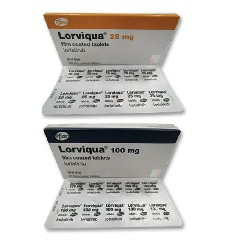
Lorlatinib is a third-generation ALK inhibitor that is more prominent in inhibiting a broad spectrum of ALK mutations. It is not only effective against common mutations in the ALK gene, but can also overcome some mutations that are resistant to first-generation (crizotinib) and second-generation ALK inhibitors. Lorlatinib also has good central nervous system penetration and can effectively control brain metastasis. This drug is mainly used for patients who have previously failed treatment with first- or second-generation ALK inhibitors and is an important option for drug-resistant patients.
2. Comparison of efficacy
In multiple clinical trials, alectinib has shown excellent efficacy as first-line treatment. ALEXThe trial is to evaluate the first-line treatment of alectinibALKpositiveNSCLC The key study showed that the median progression-free survival of patients in the alectinib group reached 34.8 months, which was significantly better than the 10.9 in the crizotinib group.months. At the same time, alectinib has excellent performance in controlling brain metastases, and the brain progression-free survival time of patients with brain metastases has been significantly prolonged.
Lorlatinib has unique advantages in dealing with drug-resistant mutations and controlling brain metastasis. According to the CROWN study, lorlatinib is effective in newly treated ALKpositiveNSCLCIt has shown superior efficacy in patients, with a median progression-free survival of 18.3 months, and a brain response rate of 82%. In addition, lorlatinib has a more significant therapeutic effect on drug-resistant patients, especially in overcoming common drug-resistant mutations such as G1202R, making up for the shortcomings of first- and second-generation drugs.
3. Resistance mechanism and clinical significance
The main resistance mechanisms to alectinib includesecondary mutations in the ALK gene and activation of alternative signaling pathways. Although alectinib can effectively delay the emergence of drug resistance, some patients will still develop drug resistance and disease progression after treatment. At this time, lorlatinib has become an ideal follow-up treatment option. Its broad-spectrum inhibitory ability can target a variety of drug-resistant mutations, especially the G1202R mutation. This makes lorlatinib outstanding in overcoming drug resistance.
On the contrary, although lorlatinib has obvious efficacy in drug-resistant patients, there are few relevant data on its use as first-line treatment, and the mechanism of resistance is still under study. In clinical practice, lorlatinib is more often used as second-line or third-line treatment after failure of first-line treatment, giving full play to its advantages.
4. Side effects and tolerance
The side effects of alectinib are relatively mild. Common adverse reactions include constipation, fatigue, myalgia and abnormal liver function. Most patients tolerate it well, and the side effects can be effectively controlled through dose adjustment or symptomatic treatment. The safety of alectinib provides guarantee for its widespread use as a first-line drug.
Lorlatinib has relatively many and complex side effects, including high cholesterol, high triglycerides, peripheral neuropathy, cognitive impairment, etc. Some side effects may affect patients' quality of life and require close monitoring and management. Although the side effects are more significant than those of alectinib, its advantages in treating drug-resistant patients make the risks acceptable.
5. Summary and clinical selection suggestions
In general, alectinib, as a first-line treatment for ALKpositiveNSCLC, has become the preferred ALK inhibitor in clinical practice due to its excellent efficacy and good safety. It can significantly prolong progression-free survival, reduce the risk of brain metastasis, and is suitable for use in patients who have not yet been treated.
Lorlatinib has unique advantages in overcoming first- and second-generation ALK inhibitor resistance and controlling brain metastasis. It is an indispensable follow-up drug option after the failure of first-line treatment. Its strong mutation spectrum coverage and central nervous system penetration capabilities bring new hope to drug-resistant patients.
In actual clinical practice, doctors will flexibly choose to use alectinib or lorlatinib based on the patient's specific conditions, including the type of gene mutation, disease progression rate, brain metastasis, and physical tolerance. At the same time, with the accumulation of more clinical data and the development of new drugs, treatment plans for ALK-positive lung cancer will become more individualized and precise in the future, maximizing patients’ survival and quality of life.
In short, alectinib and lorlatinib have their own merits. The former is suitable for initial treatment, while the latter is more suitable for subsequent treatment of drug resistance. Patients should choose the most appropriate treatment drugs according to their own condition under the guidance of professional doctors to achieve the best treatment effect.
Reference materials:https://www.drugs.com/
[ 免责声明 ] 本页面内容来自公开渠道(如FDA官网、Drugs官网、原研药厂官网等),仅供持有医疗专业资质的人员用于医学药学研究参考,不构成任何治疗建议或药品推荐。所涉药品可能未在中国大陆获批上市,不适用于中国境内销售和使用。如需治疗,请咨询正规医疗机构。本站不提供药品销售或代购服务。


