
.jpeg)
Correct use of mirikizumab and treatment recommendations
With the continuous deepening of research on autoimmune diseases, more and more targeted biological agents are being developed to treat refractory intestinal inflammation. Mirikizumab (Mirikizumab), as a new type of IL-23p19 monoclonal antibody, has demonstrated good efficacy and safety in a number of global multi-center clinical trials, especially in the treatment of moderately to severely active ulcerative colitis (UC). This article will provide a detailed analysis of the usage, treatment recommendations, precautions and clinical application points of militizumab to help patients and clinicians use the drug more scientifically.
1. Drug overview and indications
Milizumab is a humanized monoclonal antibody targeting the p19 subunit of interleukin -23 (IL-23) developed by Eli Lilly. Its main indication is moderately to severely active ulcerative colitis (UC), especially for patients who are ineffective or intolerant to traditional immunomodulators or anti-TNF drugs.
IL-23plays a key role in chronic inflammation and autoimmune diseases, especially in intestinal inflammation such as ulcerative colitis. By inhibiting Th17 cell differentiation and the release of inflammatory factors, militizumab can effectively alleviate intestinal mucosal inflammation, achieving the dual goals of inducing remission and maintaining remission.
2. Correct usage (dose and administration method)
According to the instructions for use that have been approved in Europe and the United States, the standard medication regimen of militizumab is divided into two stages: induction treatment stage and maintenance treatment stage.
1. Induction treatment stage:
The recommended dose is:300 mg, intravenous infusion, once every 4 weeks, for a total of 3 times (i.e., 0th week, 4th week, 8th week).
Each infusion time is approximately30 minutes. Patients need to receive treatment in professional medical institutions. Doctors should monitor patients for infusion-related reactions.
2. Maintenance treatment stage:
When the patient responds to the induction phase treatment, he will be transferred to the maintenance treatment phase starting from the 12th week.
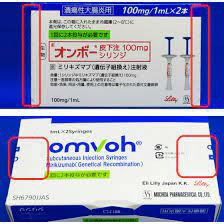
The recommended dose is:200 mg, subcutaneous injection (SC), once every 4 weeks.
Subcutaneous injections can be performed in medical institutions, or they can be injected at home after the patient has passed the training, but a special prefilled syringe must be used and attention should be paid to alternating injection sites.
The design of this medication regimen combines the dual goals of rapid onset of action and stable maintenance, rapidly controlling inflammation during the induction phase, reducing the recurrence rate during the maintenance phase, and optimizing patient compliance at the same time.
3. Monitoring and evaluation during treatment
To ensure the safety and efficacy of militizumab treatment, patients should receive regular examinations and evaluations during treatment:
1. Initial Assessment:
Active tuberculosis infection and severe systemic bacterial infection should be ruled out before treatment/Viral infection.
It is recommended to evaluate tuberculin skin test (PPD) or IGRA, liver function, blood routine and colonoscopy scores, etc.
2. Monitoring during treatment:
Recheck colonoscopy, fecal calprotectin, CRP and other inflammatory indicators every 8 to 12 weeks to evaluate the degree of clinical remission and mucosal healing.
If patients experience recurrence of symptoms during the maintenance treatment period, they should be evaluated as early as possible for drug failure or co-infection.
3. Notes:
If patients develop persistent fever, severe diarrhea, rash or other allergic symptoms during treatment, they should seek medical evaluation immediately.
Vaccination of live vaccines should be completed before the use of milizumab, and at least 3 months after treatment.
4. Efficacy Observation and Applicable Population Suggestions
Multiple itemsPhase III clinical studies (such as LUCENT-1, LUCENT-2) show that the clinical response rate of militizumab during the induction phase 8 weeks is approximately It is 20~25%, and after 52 weeks of maintenance treatment, the maintenance remission rate can reach 40% or more, accompanied by significant improvement in intestinal mucosal healing.
Applicable to the following patient groups:
Moderate to severe UC patients receiving biologic therapy for the first time;
TNF-α inhibitors or JAK inhibitors are ineffective/intolerant patients;
Patients who are at risk of relapse and require long-term remission maintenance;
Those who hope to use targeted drugs with lower side effects and stable effects.
Not applicable to:
People with active tuberculosis or severe infection;
Pregnant or lactating women (there are insufficient population safety studies);
People with severe liver and kidney dysfunction should use it with caution or adjust the dosage.
5. Other medication suggestions and precautions
1. Combined treatment:
Milizumab can be used in combination with 5-ASA drugs, azathioprine (AZA) or low-dose hormones, but combination with other strong immunosuppressants (such as cyclosporine, tacrolimus) should be avoided to avoid increased risk of infection.
2. Medication compliance management:
The subcutaneous injection dosage form facilitates long-term management of patients. It is recommended that doctors train patients on self-injection techniques, including injection site selection (thigh, abdomen) and observation of common adverse reactions after injection.
3. Common adverse reactions:
Milizumab has a good safety profile in clinical practice, and common side effects include:
Redness, swelling and pain at the injection site;
Upper respiratory tract infection, cough;
Headache, fatigue;
A small number of patients may develop allergic reactions or rashes.
Once serious adverse reactions occur, the drug should be discontinued promptly and reported to the doctor for treatment.
Milizumab, as a new generation of inflammatory bowel disease-targeted drug ofIL-23p19 monoclonal antibody, is regarded as an important choice for the treatment of moderate to severe ulcerative colitis due to its precise target, stable efficacy and clear medication regimen. Through standardized induction-maintenance programs, combined with scientific monitoring and individualized evaluation, most patients can achieve symptom relief or even clinical cure. Currently, the drug has been approved in Europe and the United States and is gradually being promoted globally. It is expected that it will further improve the quality of life of IBD patients after it is launched in mainland China in the future.
Reference materials:https://www.drugs.com/
[ 免责声明 ] 本页面内容来自公开渠道(如FDA官网、Drugs官网、原研药厂官网等),仅供持有医疗专业资质的人员用于医学药学研究参考,不构成任何治疗建议或药品推荐。所涉药品可能未在中国大陆获批上市,不适用于中国境内销售和使用。如需治疗,请咨询正规医疗机构。本站不提供药品销售或代购服务。


