
.jpeg)
What is the difference between axitinib/axitinib and apatinib
Angiogenesis-targeted tyrosine kinase inhibitors (TKIs) have become an important part of the treatment of a variety of advanced solid tumors. Among them, although Axitinib and Apatinib are both anti-angiogenesis targeted drugs, they have significant differences in pharmacological mechanisms, indications, research and development background, treatment strategies and side effect management. Understanding the differences between these two drugs has practical significance for patient drug selection, clinical decision-making and the formulation of medical security policies.
First of all, from the perspective of its mechanism of action, axitinib is a second-generation highly selective vascular endothelial growth factor receptor (VEGFR) inhibitor, which mainly targets VEGFR-1, 2 and 3. It is characterized by high inhibition intensity, good selectivity and concentrated targets. It blocks the formation of new blood vessels in tumors, thereby effectively "starving" tumor cells. It is currently one of the standard second-line options in the treatment of advanced renal cell carcinoma (RCC) in the world. Although apatinib also acts on targets mainly VEGFR-2, its selectivity and target spectrum are wider, and some can also inhibit other tyrosine kinase pathways such as RET and c-Kit. Therefore, it shows a broader anti-tumor potential in clinical practice, but its side effect spectrum is also relatively complex.
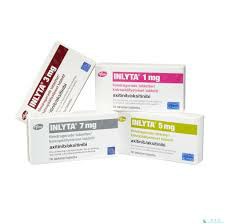
In terms of indications, there are obvious differences between the two. Axitinib is mainly suitable for the second-line treatment of intermediate and advanced clear cell renal cell carcinoma, especially in patients who have failed treatment with sorafenib or sunitinib. It has shown good control effects. In recent years, it has gradually expanded to the application field of combined immunotherapy, such as combined with pembrolizumab for the first-line treatmentRCC. Apatinib was initially approved in China for the treatment of advanced gastric cancer, and later expanded to various advanced solid tumors such as liver cancer, lung cancer, and breast cancer. It is more often used as a third-line treatment option and above, playing a "filling" role in indications where there are no standard treatment options.
From the perspective of drug source and development path, axitinib is an international original targeted drug developed by Pfizer. As early as it was approved by the FDA and EMA in Europe and the United States in 2012. Its efficacy and safety are supported by extensive global data. Apatinib is a local innovative drug independently developed by China Hengrui Pharmaceuticals. Although it was launched relatively late, it has strong usage flexibility and medical insurance adaptation strategies in clinical practice in China. Due to differences in the price system and accessibility of the two drugs, clinical decisions are often made based on factors such as medical insurance coverage and the patient's financial ability.
In terms of adverse reactions, axitinib is highly selective. Although side effects such as hypertension, hand-foot syndrome, and diarrhea may occur, it is generally controllable and suitable for long-term management. Apatinib may cause adverse reactions such as stomatitis, bleeding tendency, proteinuria, and more significant fatigue in some patients. Especially in combination chemotherapy or immunotherapy, liver and kidney function and coagulation indicators need to be closely monitored. Therefore, in actual clinical medication use, doctors often make individual configurations based on the patient's basic disease status, tolerance, and combined medication conditions.
Reference materials:https://en.wikipedia.org/wiki/Axitinib
[ 免责声明 ] 本页面内容来自公开渠道(如FDA官网、Drugs官网、原研药厂官网等),仅供持有医疗专业资质的人员用于医学药学研究参考,不构成任何治疗建议或药品推荐。所涉药品可能未在中国大陆获批上市,不适用于中国境内销售和使用。如需治疗,请咨询正规医疗机构。本站不提供药品销售或代购服务。


