
.jpeg)
Explanation of the cure rate and recurrence probability of Jisandai/Bingtonsha
Among all the current direct-acting anti-hepatitis C virus drugs (DAAs) in the world, Epclusa has become one of the first-choice clinical hepatitis C treatment options due to its all-genotypic indications and extremely high sustained virological response (SVR) rate. According to a large number of international studies and real-world data, the cure rate of Jisandai in untreated adult patients is as high as 98%, which means that the vast majority of patients have completely undetectable HCV in their bodies after completing an 8- to 12-week course of treatment, and virus rebound is rare.
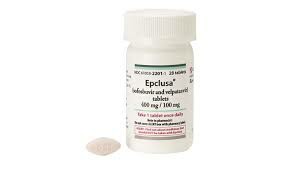
Another important factor in the high cure rate is thatEpclusa is suitable for a wide range of people. Regardless of whether the patient belongs to genotypes 1, 2, 3 or the rare genotypes 4, 5, or 6, or even when combined with compensated cirrhosis, Jisandai has shown good efficacy, which breaks the previous dilemma of "variation among patients and lengthy treatment courses" in hepatitis C treatment. Especially for countries or patient groups with limited resources, full-genotype treatment options greatly simplify the genotype detection steps and improve treatment efficiency.
As for the probability of recurrence,Epclusa showed very low recurrence rates in follow-up testing three months after completion of treatment, usually less than 2%. This is also the gold standard for judging "whether it is truly cured." In medicine, sustained virological response (SVR12) is used as the main indicator to judge whether the patient is cured. If the viral RNA test is negative 12 weeks after the end of the treatment, it can basically be regarded as a permanent cure. Relapse is more common in patients with high viral load, failure to take medications as prescribed, severe liver cirrhosis, or combined with other diseases, and some HCV subtypes may have natural or induced drug resistance risks.
However, although the cure rate is close to100%, Jisandai does not provide "immune memory", and patients may still be reinfected once they are exposed to HCV again. Therefore, monitoring and preventive measures need to be strengthened among high-risk groups, such as hemodialysis patients and intravenous drug users.
Reference: https://www.epclusa.com/
[ 免责声明 ] 本页面内容来自公开渠道(如FDA官网、Drugs官网、原研药厂官网等),仅供持有医疗专业资质的人员用于医学药学研究参考,不构成任何治疗建议或药品推荐。所涉药品可能未在中国大陆获批上市,不适用于中国境内销售和使用。如需治疗,请咨询正规医疗机构。本站不提供药品销售或代购服务。


