
.jpeg)
How long can axitinib/axitinib prolong life?
The importance of Axitinib in modern personalized cancer treatment is not limited to delaying disease progression, but also has positive significance in "prolonging overall survival" for some patients. As a highly selective small molecule tyrosine kinase inhibitor (TKI), its targeting mechanism against VEGFR-1, 2, and 3 has been widely proven to be effective in the treatment of advanced renal cell carcinoma (RCC). However, there is no absolutely unified answer as to how long axitinib can extend lifespan, because the efficacy is affected by multiple factors.
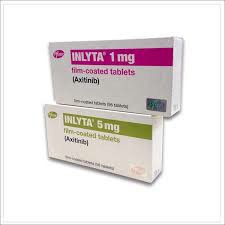
In clinical practice, axitinib is usually used as a second-line regimen after failure of first-line treatment. Compared with its precursor drug such as sorafenib, axitinib significantly improves progression-free survival (PFS) in some patients and delays the progression of the disease. The therapeutic significance of this "delayed progression" is particularly critical in the management of chronic cancer. It not only buys time for subsequent treatment, but also improves the patient's quality of life to a certain extent. However, the improvement of overall survival (OS) still depends on multiple factors, including tumor stage, molecular characteristics, treatment compliance and concomitant regimens.
Although in some beneficiary groups, axitinib may extend survival by several months to a year, and even longer in some individuals, it should be emphasized that this life extension effect is a "statistical average" and cannot be generalized to how long each patient can be prolonged after use. Key factors that affect the efficacy include the patient's sensitivity to the VEGFR pathway, whether combined with immunotherapy (such as in combination with PD-1/PD-L1 inhibitors), and the patient's overall basic condition, such as whether the liver and kidney functions are intact, whether there are cardiovascular comorbidities, etc.
In recent years, axitinib combined with immunotherapy (such as with atezolizumab or pembrolizumab) has shown a trend of better survival benefit in the treatment of advanced RCC. This combined strategy can attack tumors in both directions: targeted drugs control angiogenesis, and immune drugs activate T cell attack, which is expected to achieve synergistic effects.
Reference materials:https://en.wikipedia.org/wiki/Axitinib
[ 免责声明 ] 本页面内容来自公开渠道(如FDA官网、Drugs官网、原研药厂官网等),仅供持有医疗专业资质的人员用于医学药学研究参考,不构成任何治疗建议或药品推荐。所涉药品可能未在中国大陆获批上市,不适用于中国境内销售和使用。如需治疗,请咨询正规医疗机构。本站不提供药品销售或代购服务。


