
.jpeg)
Causes of discomfort after taking axitinib/axitinib tablets
As a selective vascular endothelial growth factor receptor (VEGFR) tyrosine kinase inhibitor, Axitinib is a second-line targeted drug in the treatment of solid tumors such as advanced renal cell carcinoma (RCC). Its mechanism of action determines that the occurrence of discomfort after treatment is certain to be universal and predictable. Discomfort after taking the drug is mainly closely related to its inhibition of angiogenesis, regulation of systemic cell signals, and gastrointestinal reactions.
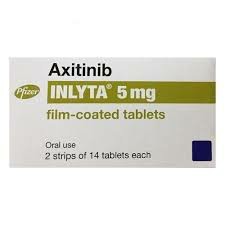
Axitinib inhibits the activity ofVEGFR-1, 2 and 3, blocking the formation of new blood vessels in tumors, thereby "starving" tumor cells. Although this potent anti-angiogenesis mechanism effectively inhibits tumor expansion, it also affects the microvascular network in normal tissues, causing side effects such as hypertension, fatigue, and hand-foot syndrome. High blood pressure is considered a "drug effect indicator", but when blood pressure is poorly controlled, it may cause headaches, palpitations or palpitation, causing patients to feel general discomfort.
In addition, common gastrointestinal reactions of axitinib, such as diarrhea, loss of appetite, nausea or stomatitis, are mainly due to its inhibition of the regeneration of gastrointestinal mucosal cells. Although these symptoms do not necessarily indicate that the drug is ineffective, they can significantly affect the patient's compliance and even require dose adjustment or treatment interruption. Some patients may also experience systemic adverse reactions such as hypothyroidism, weight loss, and decreased attention, which are also related to the role of the VEGFR pathway in the endocrine system.
For patients with symptoms such as redness, swelling, tingling, and peeling of hands and feet, this kind of "hand-foot syndrome" is mostly caused by drugs that cause capillary damage and cuticle rupture. It usually manifests itself in the early stages of treatment and can be alleviated through local care and dosage adjustment. It is worth noting that a very small number of patients develop abnormal liver function, proteinuria or thrombotic events after taking axitinib. These require assessment of past medical history before treatment and prompt intervention through regular testing of liver and kidney function.
Reference materials:https://en.wikipedia.org/wiki/Axitinib
[ 免责声明 ] 本页面内容来自公开渠道(如FDA官网、Drugs官网、原研药厂官网等),仅供持有医疗专业资质的人员用于医学药学研究参考,不构成任何治疗建议或药品推荐。所涉药品可能未在中国大陆获批上市,不适用于中国境内销售和使用。如需治疗,请咨询正规医疗机构。本站不提供药品销售或代购服务。


