
.jpeg)
Interpretation of usage, dosage and contraindications in the drug instructions of lorlatinib
Lorlatinib is a third-generation oral tyrosine kinase inhibitor (TKI), mainly used to treat ALK-positive and ROS1-positive non-small cell lung cancer (NSCLC) patients. As a highly efficient targeted drug, lorlatinib is outstanding in breaking through resistance to early ALK inhibitors and has excellent ability to control brain metastasis. This article will explain the drug instructions of lorlatinib in detail in terms of usage, dosage and contraindications to help patients and doctors better understand and use this drug.
1. Usage and dosage
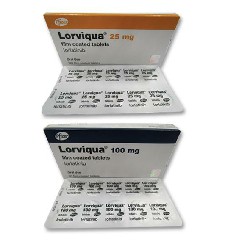
Lorlatinib is usually taken in the form of oral tablets, and the standard recommended dose is 100mg (mg) once daily, before or after a meal. Patients should swallow the tablet whole and should not chew, crush or break it to avoid affecting drug release and absorption. The dosage is based on data from multiple clinical trials and aims to minimize adverse reactions while ensuring efficacy.
During the treatment process, the doctor will adjust the dosage according to the patient's specific conditions (such as weight, liver and kidney function, concomitant medications and adverse reactions). If serious adverse reactions occur, it may be necessary to temporarily stop taking the drug or reduce the dose to 75 mg or 50 mg per day until the symptoms are relieved, then adjust the dose or return to the original dose as appropriate. Patients should never adjust the dosage of medication on their own and should strictly abide by the doctor's instructions.
The duration of lorlatinib treatment is generally determined based on patient tolerance and efficacy. Patients are generally advised to continue taking the drug until disease progression or intolerable adverse effects occur. Imaging examinations and clinical evaluations are performed regularly so that treatment plans can be adjusted in a timely manner.
2. Taboos
The main contraindications to lorlatinib include those who are allergic to the drug and its ingredients. In addition, it should be used with caution or avoided in patients with severe hepatic insufficiency or renal impairment. Lorlatinib is metabolized by the liver, which may lead to drug accumulation in patients with severe liver damage and increase the risk of toxicity.
Use with caution by pregnant and lactating women. Animal experiments show that lorlatinib is potentially toxic to the fetus. Pregnant women should avoid using it, and women of childbearing age should take effective contraceptive measures while taking it. Breastfeeding women should also avoid taking it to prevent the drug from affecting the baby through milk.
Drug interactions are an important contraindication to the use of lorlatinib. Lorlatinib is a CYP3A4 metabolic substrate and a potent CYP3AInhibitors (such as clarithromycin, ketoconazole) and inducers (such as rifampicin, carbamazepine) can significantly affect its plasma concentration, resulting in reduced efficacy or enhanced toxicity. Strict monitoring is required when these drugs are used together, and the dose of lorlatinib may need to be adjusted.
In addition, lorlatinib may cause central nervous system side effects, such as cognitive impairment, psychiatric symptoms, and peripheral neuropathy. Patients with severe mental illness or neurological disease should use it with caution to avoid aggravation of symptoms.
3. Precautions when taking medication
While taking lorlatinib, patients should avoid drinking grapefruit juice because grapefruit juice inhibits theCYP3A4 enzyme, causing the blood concentration of the drug to increase and increasing the risk of side effects. Patients should also inform their doctors about all medications they are taking, including herbal medicines and supplements, to prevent adverse drug interactions.
It is recommended that patients undergo regular liver function, renal function and hematology tests during medication to monitor potential adverse reactions. If serious side effects occur, you should seek medical treatment promptly. The doctor may adjust the treatment plan according to the specific situation.
Lorlatinib is a targeted drug for the treatment ofALK and ROS1 positive non-small cell lung cancer. It has significant efficacy and good ability to control brain metastasis. Its usage and dosage are based on daily oral administration of 100mg as a standard and can be flexibly adjusted to cope with adverse reactions. Patients must strictly follow the doctor's instructions and avoid reducing or stopping the medication on their own. Contraindications include people with drug allergies, patients with severe liver and kidney dysfunction, and pregnant and lactating women. Pay attention to interactions with CYP3A4 related drugs when using it. Through scientific and rational use of lorlatinib, its therapeutic advantages can be maximized and patients' survival rate and quality of life can be improved.
Reference materials:https://www.drugs.com/
[ 免责声明 ] 本页面内容来自公开渠道(如FDA官网、Drugs官网、原研药厂官网等),仅供持有医疗专业资质的人员用于医学药学研究参考,不构成任何治疗建议或药品推荐。所涉药品可能未在中国大陆获批上市,不适用于中国境内销售和使用。如需治疗,请咨询正规医疗机构。本站不提供药品销售或代购服务。


