
.jpeg)
Is the therapeutic effect of Cosibelimab worth recommending?
Cosibelimab (Cosibelimab) is a fully human monoclonal antibody targeting PD-L1. In recent years, as a newcomer among immune checkpoint inhibitors, it has attracted widespread attention from the clinical oncology community. Unlike traditional PD-1 inhibitors, Cosibelimab works by blocking PD-L1
First of all, from a clinical efficacy perspective, Cosibelimab has shown impressive results in the treatment of locally advanced or metastatic cutaneous squamous cell carcinoma. In a multicenter, open-label Phase II clinical trial (CK-301-101 study), researchers studied 109 patients (78cases of metastaticCSCC and 31cases of locally advanced CSCC) were evaluated. Data show that the objective response rate (ORR) of the drug in patients with locally advanced CSCC reached 48%, including a complete response rate of 23%. n>; Among patients with metastatic CSCC, the ORR was 47.4% and the complete response rate was 13%. What's more important is that these remissions are highly durable - about 75% of patients remain in remission after two years of treatment. In addition, long-term follow-up data showed that the ORR of locally advanced patients eventually rose to 54.8%, and the complete response rate reached 25.8%., the therapeutic effect is sustained and significant. This long-term remission capability not only improves patients' quality of life, but also provides more powerful clinical treatments.
Secondly, from the perspective of safety and tolerability, Cosibelimab’s performance is also worthy of recognition. Compared with other immune checkpoint inhibitors, the incidence of side effects is lower, especially the risk of serious immune-related adverse events. In the CK-301-101 study, only 9% of patients experienced adverse reactions of grade 3 or above, and no severe immunotoxicity of grade 4/5 was seen. Common side effects include fatigue, rash, mild gastrointestinal discomfort, headache, etc. Most of them are grade 1-2 and can be alleviated through symptomatic and supportive treatment. The incidence of immune-related side effects such as skin inflammation and abnormal liver function is low and controllable. The treatment discontinuation rate was only 6.3%, which shows that most patients can adhere to treatment for a long time without premature discontinuation due to toxicity. This good safety profile makes Cosibelimab particularly suitable for cancer patients who are weak, elderly or have underlying diseases.
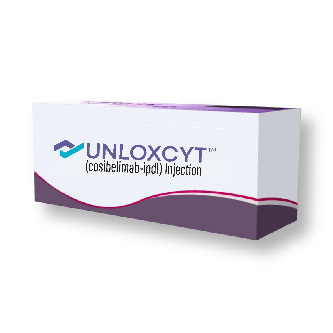
Third, in terms of the applicable population, Cosibelimab is currently approved for patients with locally advanced or metastatic CSCC who are inoperable or unable to receive radiotherapy. Such patients often have poor prognosis and limited treatment options, and Cosibelimab provides them with a new and effective treatment option. In contrast, other PD-1/PD-L1 inhibitors such as pembrolizumab (Keytruda) and atezolizumab (Atezolizumab) are widely used in a variety of tumors. It is widely used, but it has not yet reached the current level of ORR and CR rates in terms of CSCC indications. In addition, because Cosibelimab has antibody-dependent cytotoxicity (ADCC), this mechanism also makes it potentially useful in more patients with strong immunosuppression and heavy tumor burden. Future indications may include non-small cell lung cancer (NSCLC), head and neck squamous cell carcinoma and other solid tumors.
Finally, from the perspective of the future development and clinical prospects of the drug, CosibelimabIt is expected to become an important competitor in the field of PD-L1 targeted therapy. In addition to CSCC, the drug is already undergoing multiple III phase clinical trials, such as combination chemotherapy to treat NSCLC, melanoma, etc. In addition, because Cosibelimab is developed by Checkpoint Therapeutics, its pharmaceutical cost is lower than that of products from large pharmaceutical companies, so it has greater market pricing flexibility. This has practical significance in the field of cancer treatment where patients have a heavy drug burden. What's more, the drug's accessibility and cost-effectiveness also mean it has greater potential for promotion in global markets, including developing countries.
In summary, Cosibelimab, as an innovative PD-L1 inhibitor, has demonstrated strong and durable anti-tumor efficacy in CSCC patients, while also possessing good safety and tolerability. In the field of advanced cutaneous squamous cell carcinoma, where current treatment options are limited, Cosibelimab is clearly a recommended immunotherapy option. Although it is not currently on the market in China, with the advancement of more indication research and the acceleration of global registration work, it is expected to be good news for more patients with solid tumors in the future. For clinicians, paying attention to and understanding the clinical value of this drug in advance will help to optimize individualized treatment strategies in the future. For patients, once it enters the local market and is included in medical insurance, its accessibility and convenience will be greatly improved. It can be said that the therapeutic prospects of Cosibelimab are worthy of high expectations.
Reference materials:https://www.drugs.com/
[ 免责声明 ] 本页面内容来自公开渠道(如FDA官网、Drugs官网、原研药厂官网等),仅供持有医疗专业资质的人员用于医学药学研究参考,不构成任何治疗建议或药品推荐。所涉药品可能未在中国大陆获批上市,不适用于中国境内销售和使用。如需治疗,请咨询正规医疗机构。本站不提供药品销售或代购服务。


