
.jpeg)
Who is suitable for long-term treatment with Nilotinib?
Nilotinib (Nilotinib) is a tyrosine kinase inhibitor (TKI), mainly used to treat chronic myelogenous leukemia (CML), especially the chronic phase (CML-CP) and the accelerated phase (CML-AP)Philadelphia Chromosome-positive (Ph+) adult patients. Its target is BCR-ABL fusion protein, which is a second-generation targeted drug developed after imatinib (Imatinib) and has stronger affinity and inhibitory effect. The patient population suitable for long-term treatment with nilotinib generally has certain characteristics and clinical conditions.
First of all, patients in the chronic phase who are resistant or intolerant to imatinibCML are one of the main candidates for nilotinib. Some patients experience poor efficacy or significant side effects during imatinib treatment. At this time, switching to nilotinib may be considered. Studies have shown that nilotinib has a strong inhibitory effect on most imatinib-resistant mutations (except T315I), can achieve disease control and improve molecular remission rates, and is an important later-line treatment option.
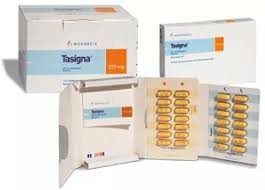
Secondly, newly treated Ph+chronic phase CML patients can also choose nilotinib as first-line treatment. Nilotinib has shown faster and deeper molecular response than imatinib in head-to-head comparative trials. Some patients can achieve complete cytogenetic response (CCyR) or major molecular response (MMR) in a relatively short period of time. Nilotinib is helpful for long-term disease management and improved survival rate, and is suitable for long-term use by newly diagnosed patients who want to quickly control their disease.
In addition, patients with deep remission who are willing to discontinue treatment are also one of the potential groups for nilotinib. According to clinical studies such as ENESTfreedom, some patients who have been treated with nilotinib for more than two years and maintained deep molecular remission (such as MR4.5
In general, the patient groups suitable for long-term use of nilotinib include: patients who have failed imatinib treatment, newly diagnosed patientsPh+ CML-CPPatients, as well as stable people whose goal is deep remission or even drug withdrawal. During use, patients need to regularly monitor electrocardiogram, liver function, blood sugar and other indicators to ensure the safety of medication, and continue to evaluate the treatment effect and tolerance under the guidance of a doctor.
Reference materials:https://www.drugs.com/
[ 免责声明 ] 本页面内容来自公开渠道(如FDA官网、Drugs官网、原研药厂官网等),仅供持有医疗专业资质的人员用于医学药学研究参考,不构成任何治疗建议或药品推荐。所涉药品可能未在中国大陆获批上市,不适用于中国境内销售和使用。如需治疗,请咨询正规医疗机构。本站不提供药品销售或代购服务。


