
.jpeg)
Sharing the main functions, efficacy and clinical applications of mirikizumab
Mirikizumab is a humanized IgG4 monoclonal antibody developed by Eli Lilly and Company), mainly targets the p19 subunit of interleukin -23 (IL-23). This drug effectively inhibits immune responses related to immune-related diseases such as inflammatory bowel disease by regulating key inflammatory signaling pathways in the immune system. It is a new targeted therapy drug that has attracted much attention in the field of autoimmune diseases in recent years. This article will introduce in detail the main mechanism of action, indications, clinical application status and future prospects of militizumab to help patients and clinicians understand the drug more comprehensively.
1. The mechanism of action of Milizumab
The core mechanism of action of Milizumab is to specifically target the p19 subunit of IL-23. IL-23is an important cytokine for the differentiation, expansion and maintenance of Th17 cells, and Th17 cells play a key role in the pathogenesis of a variety of autoimmune diseases, including ulcerative colitis, Crohn's disease, psoriasis, etc. By blocking IL-23 signaling, militizumab can inhibit the release of inflammatory factors, thereby effectively reducing intestinal mucosal inflammation, improving intestinal barrier function, and alleviating clinical symptoms.
Unlike some early IL-12/23 dual-target drugs (such as ustekinumab), militizumab selectively targets IL-23 without affecting IL-12, helping to reduce inflammation while better retaining the immune system's defense function against pathogens, thereby reducing the risk of infection. This precise immune regulation mechanism lays a good safety foundation for its clinical application.
2. Main indications and approval status
As of2025, militizumab has been approved in some countries and regions in Europe and the United States for the treatment of moderately to severely active ulcerative colitis (Ulcerative Colitis, UC) and in Crohn’s disease (Crohn’s Disease) continues to promote clinical trials.
1.Ulcerative colitis (UC)
2023 year, United StatesFDAOfficially approved militizumab for the treatment of adult patients with moderately to severely active UC, especially for patients with poor response or poor tolerance to traditional treatments (such as glucocorticoids, azathioprine) or anti-TNFα drugs (such as infliximab). In the III phase LUCENT study, militizumab significantly improved the clinical remission rate, mucosal healing rate, and reduced disease activity in both the induction phase and the maintenance phase, and its efficacy was better than that of the placebo group.
2.Crohn’s disease (CD)
Milizumab is also under clinical evaluation for Crohn's disease indication. Early data suggests it has promising results in reducing inflammation in the small intestine and colon and may provide faster and more sustained relief than traditional treatments, showing potential value particularly in patients who have failed TNF or JAK inhibitor therapy.
3.Other immune diseases
Although militizumab has not yet been approved for the treatment of psoriasis, ankylosing spondylitis and other diseases, the role of the IL-23 target in a variety of diseases makes it possible to expand its indications in the future. Relevant clinical research is being actively promoted, and the results are promising.
3. Clinical application advantages
1.Efficiency
Clinical data show that militizumab is outstanding in inducing and maintaining remission. In the LUCENT clinical trial, after 12 weeks of militizumab treatment, more than 40% of patients achieved clinical remission; during the maintenance period, nearly 50% of patients sustained remission, which was significantly higher than the placebo group.
2.Good security
The overall safety profile of Militizumab is better than that of most immunosuppressants. The most common adverse reactions include injection site reactions, upper respiratory tract infections, headaches, etc., which are usually mild to moderate and controllable. Since it does not affect theIL-12 pathway, the risk of infection is relatively low, and no serious immunosuppression-related complications have been observed.
3.Convenient administration
Milizumab is administered intravenously or subcutaneously, with a longer administration cycle (such as once every 4 weeks), and has better compliance than daily oral medications. After further optimizing the dosage form in the future, more convenient home medication may be possible.
4. Patient feedback and experience
In actual treatment, many patients who received militizumab reported that the drug had a faster onset of effect and significant improvement in symptoms. It was especially more effective than traditional drugs in controlling diarrhea, abdominal pain, and blood in the stool, etc. At the same time, drugs have fewer side effects and are easier to adhere to long-term treatment. Some patients switched to militizumab after receiving TNF inhibitors and achieved satisfactory results, providing new hope for patients with refractory UC.
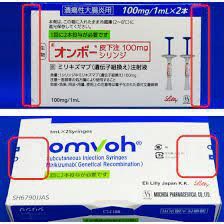
It is worth noting that militizumab has not yet been officially approved for marketing in mainland China. If domestic patients need medication, they need to obtain the original drug through cross-border medical services or overseas purchasing. The current market price of the European version of the original drug (300mg/15ml) is approximately 1 more than 10,000 yuan per box, and the cost of treatment is relatively high. If it can be domestically produced or included in medical insurance in the future, its accessibility will be greatly improved.
5. Development Prospects and Summary
Militizumab has become a representative drug for the new generation of ulcerative colitis treatment due to its precise target, efficient treatment and good safety profile. As its indications expand and global clinical studies continue to advance, militizumab is expected to play a broader role in Crohn's disease and other autoimmune diseases.
In the global market, militizumab competes with otherIL-23 inhibitors (such as guselkumab and rifalotumab), but its unique clinical data, good patient experience and potential price strategy will help it occupy an important market share. In the future, as drug approvals accelerate in China and the Asia-Pacific region, militizumab is expected to provide new treatment options for more Asian patients. For doctors, an in-depth understanding of the characteristics and applicable groups of the drug will help to more accurately implement individualized treatment strategies and improve treatment effects and patients' quality of life.
Reference materials:https://www.drugs.com/
[ 免责声明 ] 本页面内容来自公开渠道(如FDA官网、Drugs官网、原研药厂官网等),仅供持有医疗专业资质的人员用于医学药学研究参考,不构成任何治疗建议或药品推荐。所涉药品可能未在中国大陆获批上市,不适用于中国境内销售和使用。如需治疗,请咨询正规医疗机构。本站不提供药品销售或代购服务。


