
.jpeg)
What is the difference in efficacy between original research lorlatinib and generic drugs?
Lorlatinib is a third-generation ALK (anaplastic lymphoma kinase) and ROS1 inhibitor, mainly used to treat ALK-positive non-small cell lung cancer (NSCLC). As their clinical applications continue to expand, original drugs and generic drugs coexist in the market, and many patients and doctors are concerned about the difference in efficacy between the two. This article will comprehensively analyze the differences in efficacy between the original lorlatinib and generic drugs from multiple perspectives such as drug ingredients, quality control, clinical efficacy, pharmacokinetics and safety, and help patients and clinicians make scientific and reasonable medication choices.
1. Differences in drug ingredients and production processes
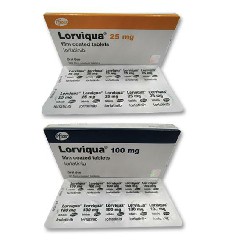
The original drug Lorlatinib was developed by Pfizer. After years of strict clinical research and quality control, its pharmaceutical ingredients have high purity, stable formula and advanced preparation technology. The research and development process of original drugs includes extensive pharmacodynamic and pharmacokinetic studies to ensure the accuracy and consistency of their ingredients and dosage. Although generic drugs claim to have the same ingredients as the original drugs, their production processes and quality control standards may be different, especially in terms of key excipients, crystal form, impurity control and release properties. These factors may affect the bioavailability and stability of the drug.
2. Comparison of clinical efficacy
Judging from clinical trial data, the original research lorlatinib has shown excellent efficacy in patients with ALK positive lung cancer, including a high objective response rate (O RR), prolonged progression-free survival (PFS) and overall survival (OS). Original drugs usually obtain multi-center, randomized controlled clinical verification, and the efficacy data are more comprehensive and reliable. In most cases, generic drugs lack the support of large-scale clinical trials, and their efficacy mainly relies on bioequivalence studies with the original drugs. Bioequivalence proves that the in vivo exposure of the two is similar through comparison of pharmacokinetic parameters, but this is not completely equivalent to completely consistent efficacy, especially in the complex environment of tumor treatment.
3. Pharmacokinetics and bioequivalence
The pharmacokinetic characteristics of the original drug are clear, and the absorption, distribution, metabolism and excretion (ADME) processes have been rigorously studied. Before generic drugs are put on the market, bioequivalence studies must be conducted to prove that their Cmax (maximum blood concentration) and AUC (total plasma exposure) are not significantly different from the original drugs within the allowed range. Although generic drugs can meet bioequivalence requirements, due to individual differences and complex conditions of clinical patients, bioequivalence may not necessarily translate into the same clinical efficacy. In addition, differences in pharmaceutical excipients and preparations may affect the release rate and tissue distribution of the drug in the body, which indirectly affects the efficacy.
4. Safety and Tolerability Considerations
Safety is also an important aspect in evaluating the difference in efficacy between original drugs and generic drugs. The original research lorlatinib has undergone large-scale clinical verification, and its side effects and adverse reactions have clear risk assessment and management measures. The safety of generic drugs is usually inferred through limited bioequivalence studies, lacking large-scale real-world data support. Different batches of generic drugs may have fluctuations in impurities and stability, leading to adverse reactions or reduced tolerance in individual patients, affecting the overall therapeutic experience.
5. Impact of policies and supervision on efficacy guarantee
There are differences in the approval standards for generic drugs in different countries and regions. Developed countries and regions usually require strict clinical trials or real-world data support, while some developing countries and regions allow rapid approval through bioequivalence data. This difference makes the quality of generic drugs on the market uneven, affecting the consistency of their efficacy. In recent years, China has strengthened its supervision of the quality of generic drugs and promoted "volume-based purchasing" and consistency evaluation to improve the quality of generic drugs and narrow the efficacy gap with original drugs.
6. Patients’ actual medication experience and clinical choices
In actual clinical practice, some patients may experience changes in efficacy or side effects after switching from original drugs to generic drugs. Although there is no large-scale statistical data to support this situation, it suggests that there may be individual differences between generic drugs and original drugs. When doctors choose for patients, they should comprehensively consider factors such as drug quality, patients' economic conditions, treatment history, and risk of side effects, and formulate individualized treatment plans. If the economy allows and the efficacy is stable, the original drug is preferred; if the cost of treatment needs to be reduced and the quality of the generic drug is reliable, the use of strictly approved generic drugs can be considered.
Overall, the originator lorlatinib has significant advantages in efficacy, stability and safety thanks to its complete R&D system and clinical data support. Although generic drugs are basically the same in terms of ingredients and have passed bioequivalence testing, there are still certain uncertainties in clinical efficacy and safety. With the strengthening of drug supervision at home and abroad and the improvement of the quality of generic drugs, the efficacy of generic drugs in the future will be closer to that of the original drugs, further improving drug accessibility and therapeutic effects for patients. Patients and doctors should make scientific and reasonable choices based on weighing efficacy, economy and safety to ensure the best results of treatment.
Reference materials:https://www.drugs.com/
[ 免责声明 ] 本页面内容来自公开渠道(如FDA官网、Drugs官网、原研药厂官网等),仅供持有医疗专业资质的人员用于医学药学研究参考,不构成任何治疗建议或药品推荐。所涉药品可能未在中国大陆获批上市,不适用于中国境内销售和使用。如需治疗,请咨询正规医疗机构。本站不提供药品销售或代购服务。


