
.jpeg)
What diseases are specifically indicated for Capisete Tablets/Caposetinib?
Capivasertib Tablets/Capivasertib (Capivasertib) is a new generation of targeted AKT inhibitors. In recent years, it has gradually demonstrated unique clinical advantages in the field of breast cancer treatment. Its core indication is the treatment of adult patients with hormone receptor-positive, human epidermal growth factor receptor 2 (HER2)-negative, locally advanced or metastatic breast cancer in combination with fulvestrant and specific biomarker abnormalities (such as PIK3CA, AKT1 or PTEN mutations). This type of breast cancer accounts for about 40% of HR+/HER2- type breast cancer. It is highly resistant to endocrine therapy and is a typical example of the poor efficacy of traditional hormone drugs.
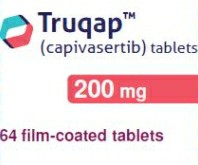
Specifically, the applicable population for capositinib mainly includes patients with metastatic breast cancer who have received at least one endocrine-based treatment regimen but still progressed, or patients who have relapsed within 12 months after completing adjuvant endocrine therapy Such patients have usually experienced first-line endocrine therapy such as tamoxifen, anastrozole or exemestane. As the tumor progresses, they often show a decrease in sensitivity to traditional drugs, and abnormal activation of the AKT pathway is one of the key mechanisms leading to this resistance.
Capisete tablets precisely inhibit this molecular pathway, blocking the survival signals of cancer cells, thereby restoring the sensitivity of endocrine therapy. Especially in tumors with PIK3CA, AKT1, PTEN and other gene mutations, the therapeutic effect is more significant. Therefore, before actual use of drugs, it is recommended to confirm whether the patient has such molecular characteristics through genetic testing to ensure clear drug targets and improve the treatment response rate.
In addition to breast cancer, capisete tablets have also been included in clinical studies in multiple solid tumors such as prostate cancer, ovarian cancer, pancreatic cancer and lung cancer, especially in patients with the same PI3K/AKT/PTEN pathway abnormalities, showing preliminary efficacy potential. However, at present, it has not been officially approved in these fields and is still an experimental drug.
Reference materials:https://www.drugs.com/mtm/capivasertib.html
[ 免责声明 ] 本页面内容来自公开渠道(如FDA官网、Drugs官网、原研药厂官网等),仅供持有医疗专业资质的人员用于医学药学研究参考,不构成任何治疗建议或药品推荐。所涉药品可能未在中国大陆获批上市,不适用于中国境内销售和使用。如需治疗,请咨询正规医疗机构。本站不提供药品销售或代购服务。


