
.jpeg)
Differences between infliximab and adalimumab
Infliximab (Infliximab) and adalimumab are two anti-tumor necrosis factor α (TNF-α) monoclonal antibody biologics currently widely used in clinical practice around the world. They are mainly used to treat a variety of inflammatory autoimmune diseases, including rheumatoid arthritis, ankylosing spondylitis, psoriasis, Crohn's disease and ulcerative colitis. Although the two highly overlap in terms of targets and partial indications, there are significant differences between them in terms of molecular structure, drug source, administration method, bioavailability, immunogenicity, safety, price and clinical application strategy. A correct understanding of the differences between these two drugs can help clinicians develop more individualized treatment plans and help patients understand the background of medication, thereby improving compliance and treatment satisfaction.
First of all, from the perspective of the drug structure, infliximab is a chimericIgG1 monoclonal antibody that contains part of mouse protein components, which means that it may induce a higher probability of immunogenicity in the human body. Adalimumab is a fully humanized IgG1 monoclonal antibody that is structurally closer to human autoantibodies. Therefore, its risk of producing anti-drug antibodies (ADA) is relatively low, which may affect the stability of the efficacy during long-term treatment.
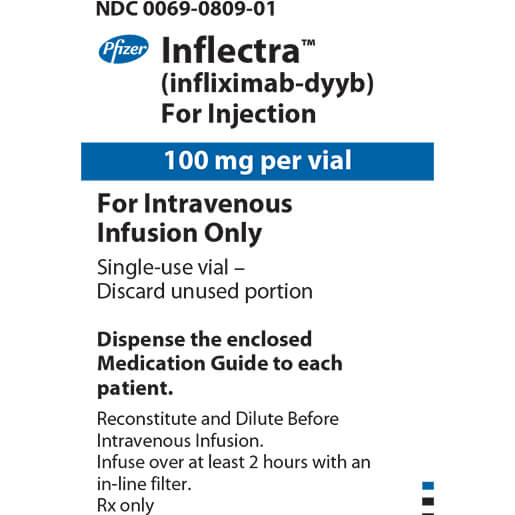
Secondly, in terms of administration method, infliximab adopts the form of intravenous infusion, which usually needs to be carried out in a hospital or medical institution. Each infusion time is about 2 hours, and the maintenance frequency is maintained once every 6 to 8 weeks after the first few injections. In contrast, adalimumab is a subcutaneous injection formulation that patients can inject themselves at home, usually once every two weeks, making it easier to manage daily. This difference is particularly critical in the long-term management of the disease, especially for patients who are inconvenient to seek medical treatment frequently or who wish to control their own medication rhythm. The convenience of adalimumab is significantly better than that of infliximab.
In terms of pharmacokinetics, infliximab has a faster onset of action due to intravenous administration, and is often used for patients in the acute phase who need to quickly control inflammation, such as severe Crohn's disease (CD) attacks or severe ulcerative colitis. Adalimumab has a slower absorption process due to subcutaneous injection, but its concentration is more stable, making it suitable for long-term maintenance treatment. In clinical practice, doctors sometimes use infliximab to induce remission in the early stages of the disease and then switch to adalimumab maintenance therapy to achieve both efficacy and convenience.
In terms of indications, the two drugs basically overlap, but the specific indications approved in different countries and regions are slightly different. For example, infliximab, originally approved for moderate to severe Crohn's disease and rheumatoid arthritis, has shown strong mucosal healing capabilities in the treatment of colon diseases. In recent years, adalimumab has also obtained approval for expanded indications in non-infectious uveitis, hidradenitis suppurativa, etc. Its use in the field of dermatology has wider coverage, and some guidelines list it as the drug of choice.
In terms of safety, both have potential risks of infection, especially tuberculosis and opportunistic infections, and comprehensive screening must be carried out before treatment. Infliximab may cause more infusion reactions due to its intravenous infusion method, such as fever, chills, allergies, etc., and needs to be monitored during the injection process; while adalimumab is more common due to its subcutaneous injection method, but the overall tolerance is better, and patients are more willing to self-manage.
Reference materials:https://www.drugs.com/infliximab.html
[ 免责声明 ] 本页面内容来自公开渠道(如FDA官网、Drugs官网、原研药厂官网等),仅供持有医疗专业资质的人员用于医学药学研究参考,不构成任何治疗建议或药品推荐。所涉药品可能未在中国大陆获批上市,不适用于中国境内销售和使用。如需治疗,请咨询正规医疗机构。本站不提供药品销售或代购服务。


