
.jpeg)
Bicizumab shows long-term psoriasis skin clearance in 4-year Phase 3 data
A pooled analysis of 4 Phase 3 trials showed how many participants taking Bimekizumab achieved complete skin clearance, as measured by the Psoriasis Area and Severity Index (PASI) 100, by week 16. This analysis was presented at the 2025 Summer Annual Meeting. Patients treated with bicizumab were assessed to achieve PASI 100 after 16 weeks and maintain efficacy thresholds at each or most follow-up visits over 4 years. Bicizumab is a monoclonal IgG1 antibody that selectively inhibits interleukin (IL)-17-F and IL-17A. It has been approved by the U.S. Food and Drug Administration (FDA) for the treatment of moderate to severe plaque psoriasis.
Biologics can help clear up psoriasis, but over time, many patients lose disease control. Therefore, long-term evaluation of psoriasis treatment is important. The optimal time to assess a patient's response is 3 months after starting a new treatment. For the study, the team pooled Phase 3 data from BE SURE, BE VID, BE READY and the open-label extension BE BRIGHT. Participants received bicizumab 320 mg every 4 weeks until week 16, then every 4 or 8 weeks until week 48.
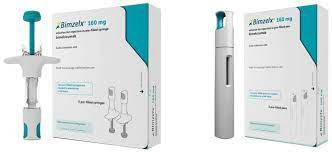
InBE SURE, we saw that skin clearance was significantly higher with bicizumab, one of the most commonly used biologic treatments for psoriasis. The study results also demonstrate the potential benefit of switching patients currently receiving adalimumab to bichizumab.
During BE SURE, 86.2% of patients receiving bicizumab achieved nearly clear skin (PASI 90) at week 16 compared with 47.2% of patients receiving adalimumab (P<0.001).
In the most recent pooled analysis, researchers included data on the proportion of patients who achieved PSAI 100 at week 16 who maintained a response of ≤1% to bicizumab, PASI 90/75, and PASI ≤2 at each study visit from week 16 to year 4. The study also included data on the proportion of patients who remained responsive at every visit except 1 or 2.
Among 989 patients, 62.7% had a body surface area (BSA) ≤1% and a PASI of 100 at week 16; 503 of these patients entered the open-label extension. Among patients who reached PSAI 100 at week 16, 70% were male, with an average age of 44.8 years, an average weight of 87.8 kg, and an average duration of psoriasis of 18 years.
Patients who achieved BSA ≤1%, PASI 100, PASI 90, and PASI ≤2 at Week 16 maintained PASI of 69.4%, 80.9%, 93%, and 81.3%, respectively, at each study visit through Year 4. With the exception of 1 patient, the proportions of patients with BSA ≤ 1%, PASI 90, PASI 75, and PASI ≤ 2 at each visit were 79.5%, 87.5%, 95.2%, and 87.9%, respectively. With the exception of 2 individuals, the proportions of participants with BSA ≤1%, PASI 90, 75, and ≤2 at each visit were 84.1%, 91.8%, 96.8%, and 91.7%, respectively.
The vast majority of patients who received BKZ had complete skin clearance at week 16 (N=503), with BSA ≤ 1%, PASI 90, PASI 75 and PASI ≤ 2 at each visit, except for a maximum of 2 visits between weeks 16 and 4 years.
Reference materials:https://www.drugs.com/bimekizumab.html
[ 免责声明 ] 本页面内容来自公开渠道(如FDA官网、Drugs官网、原研药厂官网等),仅供持有医疗专业资质的人员用于医学药学研究参考,不构成任何治疗建议或药品推荐。所涉药品可能未在中国大陆获批上市,不适用于中国境内销售和使用。如需治疗,请咨询正规医疗机构。本站不提供药品销售或代购服务。


