
.jpeg)
How effective is Nilotinib in treating chronic myelogenous leukemia?
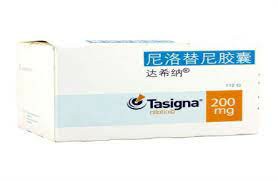
Nilotinib (Nilotinib) is a second-generation BCR-ABLtyrosine kinase inhibitor (TKI). It is mainly used to treat chronic myelogenous leukemia (CML), especially patients who are resistant or intolerant to imatinib (Imatinib). Since being approved by the FDA in 2007, nilotinib has been widely used in the treatment of CML around the world. Clinical practice and research have shown its excellent efficacy and high response rate. This article will comprehensively analyze the effect of nilotinib in the treatment of chronic myelogenous leukemia from the aspects of drug mechanism, clinical efficacy, remission level and safety.
1. Target mechanism determines efficacy
Chronic myelogenous leukemia is a myeloproliferative tumor caused by the BCR-ABL fusion gene due to chromosomal translocation (t(9;22)(q34;q11)). The BCR-ABL protein has a continuously active tyrosine kinase function and promotes abnormal proliferation of white blood cells. Nilotinib, as a second-generation TKI, targets BCR-ABL tyrosine kinase and inhibits the activity of this enzyme with high selectivity and affinity, thereby effectively blocking the abnormal signaling pathways of leukemia cells.
Compared with the first generation TKIimatinib, the affinity of nilotinib for BCR-ABL is increased by about 20-3 0 times, and can cover multiple mutant types of BCR-ABL, so it has obvious advantages in treatment-resistant or intolerant CML patients. In addition, nilotinib also exhibits faster onset of action and deeper molecular response (MR), making it one of the strong options in the first-line treatment of CML.
2. Significant clinical efficacy
In multiple international multi-center clinical trials, nilotinib has shown excellent therapeutic effects. For example, theENESTnd study compared nilotinib and imatinib in newly diagnosed chronic phaseCMLThe results showed that the molecular response rate of the nilotinib group was significantly better than that of the imatinib group: after 12 months of treatment, nilotinib reached 46%-44% (300 mg, 400 mg BID) profound molecular response (MMR), compared with only 22% with imatinib. At the same time, nilotinib also achieves complete cytogenetic remission (CCyR) more quickly, significantly delaying the risk of disease progression to accelerated phase or blast phase.
In addition, nilotinib also shows good conversion effects in patients who have received imatinib treatment but developed resistance or intolerance. Studies have shown that about 40%-50%of such patients can regain CCyR using nilotinib, and some patients even achieve MR4.5 (deep molecular response), significantly improving prognosis and survival rate.
3. Long-term treatment and depth of relief
Nilotinib not only achieves early remission, but also has significant long-term maintenance effects. Multiple studies followed for more than 5 years have shown that most patients who achieve deep molecular remission can maintain remission with very low risk of disease progression after continued use of nilotinib. This advantage provides the possibility for "treatment-free remission" (Treatment-free remission, TFR) strategies.
Some clinical trials (such as ENESTfreedom, ENESTop) are suitable for
4. Safety and medication precautions
The overall safety of Nilotinib is good, but its side effect spectrum requires clinical attention. Common adverse reactions include rash, itching, increased creatinine, abnormal liver function, etc. Compared with imatinib, nilotinib is more likely to cause QT interval prolongation and atherosclerosis-related complications, such as peripheral arterial occlusion and cardiovascular and cerebrovascular events. Therefore, patients with underlying cardiovascular diseases require special monitoring and evaluation when using it.
In addition, nilotinib needs to be taken on an empty stomach (before meals1 hours and after meals2No eating within hours) to avoid the impact of food on its absorption and blood concentration. Patients should regularly monitor blood routine, electrolytes, electrocardiogram and liver and kidney function during medication to ensure safe medication.
In summary, nilotinib has shown excellent efficacy in the treatment of chronic myelogenous leukemia, especially in patients with drug resistance, poor response, or patients who expect deep remission. Its rapid onset of action, high response rate, low risk of progression and certain possibility of discontinuation make it one of the important choices for the treatment of CML. In the future, with the accumulation of more real-world data and optimization of treatment strategies, nilotinib is expected to play a greater role in the precise management of CML, bringing longer survival and higher quality of life to patients.
Reference materials:https://www.drugs.com/
[ 免责声明 ] 本页面内容来自公开渠道(如FDA官网、Drugs官网、原研药厂官网等),仅供持有医疗专业资质的人员用于医学药学研究参考,不构成任何治疗建议或药品推荐。所涉药品可能未在中国大陆获批上市,不适用于中国境内销售和使用。如需治疗,请咨询正规医疗机构。本站不提供药品销售或代购服务。


