
.jpeg)
Analysis of the action principle and immune regulation mechanism of mirikizumab
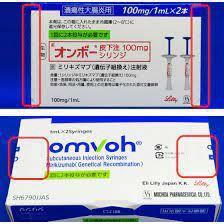
Mirikizumab is a new type of humanized monoclonal antibody that is an immunomodulator that specifically targets the p19 subunit of interleukin 23 (IL-23). As a highly selective inhibitor of the IL-23 pathway, militizumab is effective in the treatment of a variety of autoimmune inflammatory diseases, especially moderate to severe ulcerative colitis (Ulcerative Colitis, UC) and Crohn’s disease (Crohn’s Disease) and other inflammatory bowel diseases (IBD) have demonstrated good efficacy and safety. This article will analyze in detail the mechanism of action of Militizumab and how it regulates the immune system and promotes inflammation control and tissue repair.
1. IL-23Basics of signaling pathway and immune system
IL-23 is a cytokine composed of two subunits: IL-23p19 and IL-12p40. It is a key regulatory molecule in the body's immune response. It is mainly secreted by antigen-presenting cells such as dendritic cells and macrophages, and acts on the Th17 cell subset in CD4+ T cells. IL-23 activates the JAK-STAT signaling pathway by binding to its receptor, promotes the proliferation and stability of Th17 cells, and at the same time promotes These cells produce pro-inflammatory cytokines such as IL-17A, IL-17F, IL-22, and IL-22, leading to increased tissue inflammation and immune response.
The IL-23/Th17 axis plays a central role in a variety of autoimmune diseases. Especially in patients with inflammatory bowel disease, IL-23 levels are significantly elevated, promoting a chronic inflammatory response in the intestinal mucosa, causing ulcers and tissue damage. Therefore, blocking the IL-23 signaling pathway has become an important therapeutic strategy to control inflammation and restore tissue function.
2. Target specificity and mechanism of action of Milizumab
Milizumab specifically binds with high affinity to the p19 subunit of IL-23 and blocks IL-23 binds to its receptor, thereby inhibitingIL-23-mediated signal transduction. Compared to drugs that inhibit both IL-12 and IL-23 (such as ustekinumab), militizumab works by selectively inhibiting n>p19 subunit without affecting IL-12 signaling. This high selectivity helps reduce suppression of other parts of the immune system, reducing the risk of infection and side effects.
After blocking the IL-23 signaling pathway, the expansion of Th17 cells and the production of inflammatory factors are effectively inhibited, promoting intestinal localization. The local inflammatory response is reduced, and the levels of inflammatory mediators such as IL-17 and IL-22 are reduced, thereby alleviating tissue damage and inflammation-related symptoms. At the same time, the balance of the immune system is restored, improving intestinal barrier function, promoting ulcer healing and mucosal repair.
3. Milizumab’s multi-level effects in regulating the immune system
1.Inhibit the release of pro-inflammatory cytokines
By blocking IL-23, militizumab significantly reduces the release of IL-17, IL-22 and other pro-inflammatory cytokines, reduces the infiltration and activation of inflammatory cells, and reduces the damage of inflammatory mediators to intestinal tissue.
2.Regulate the functional balance of immune cells
IL-23not only promotes the activation of Th17 cells, but also affects the function of other immune cells such as regulatory T cells (Treg). The action of Milizumab helps restore the dynamic balance of the immune system, slow down overactive immune responses, and prevent autoimmune damage.
3.Promote tissue repair and barrier function recovery
The intestinal mucosal barrier is an important line of defense against the invasion of bacteria and harmful substances. Milizumab inhibits inflammatory responses, promotes epithelial cell repair and proliferation, restores intestinal barrier integrity, and reduces permeability abnormalities under pathological conditions.
4.Reduce systemic inflammatory response
Although primarily acting on the gut, militizumab also has a positive impact on the alleviation of systemic inflammation, helping to improve patients' overall clinical symptoms and quality of life.
4. Clinical significance and prospects of militizumab
In clinical trials, militizumab has shown rapid and durable clinical remission, significantly improving patients' mucosal healing rate and quality of life, while maintaining good safety and tolerability. Its highly selective mechanism gives it an advantage in avoiding infections and other immune-related side effects.
In the future, with an in-depth understanding of the immunomodulatory mechanism of the IL-23 pathway, militizumab is expected to expand into the treatment of more autoimmune diseases, such as psoriasis, rheumatoid arthritis, etc. Precise intervention targeting the IL-23p19 subunit opens up a new direction for immunotherapy and is expected to improve the treatment experience of more patients with chronic inflammatory diseases.
Milizumab precisely regulates the inflammatory pathways in the immune system by targeting the IL-23p19 subunit, successfully blocking the transmission of pro-inflammatory signals, thereby alleviating the chronic inflammatory response in autoimmune diseases. Its unique mechanism of action makes militizumab not only highly effective but also safer, making it an innovative drug that has attracted much attention in the field of modern immunotherapy. In the future, with the accumulation of more clinical data, militizumab is expected to bring new treatment hope to more patients with immune-mediated diseases.
Reference materials:https://www.drugs.com/
[ 免责声明 ] 本页面内容来自公开渠道(如FDA官网、Drugs官网、原研药厂官网等),仅供持有医疗专业资质的人员用于医学药学研究参考,不构成任何治疗建议或药品推荐。所涉药品可能未在中国大陆获批上市,不适用于中国境内销售和使用。如需治疗,请咨询正规医疗机构。本站不提供药品销售或代购服务。


