
.jpeg)
What are the common side effects after using pomalidomide capsules?
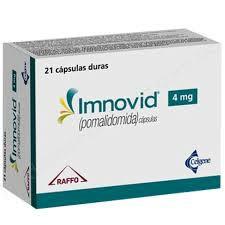
Pomalidomide (Pomalidomide) is an immunomodulator (IMiDs drug), which is widely used to treat relapsed or refractory multiple myeloma, especially for those who have previously received Patients who progress despite treatment with Lenalidomide and Bortezomib. Pomalidomide has shown good anti-tumor activity in clinical applications, but like other anti-cancer drugs, it is also accompanied by certain adverse reactions and side effects. Patients need to pay close attention to physical changes while using this drug and manage it reasonably under the guidance of a doctor.
1. Side effects related to blood system
Hematological toxicity is one of the most common adverse reactions of pomalidomide, especially neutropenia, anemia, and thrombocytopenia.
1.Neutropenia: Most patients experience varying degrees of neutropenia after taking the drug, which weakens the body's resistance and increases the risk of infection, especially respiratory or urinary tract infections. Some patients may need to use granulocyte stimulating factors (such as G-CSF) for intervention, and in severe cases, drug use may need to be suspended.
2.Anemia: Due to bone marrow suppression, pomalidomide may cause a decrease in red blood cell production, leading to symptoms such as fatigue, dizziness, and pale complexion. If hemoglobin is too low, blood transfusion or erythropoietin-based drug adjuvant treatment may be needed.
3. Thrombocytopenia: Severe cases may cause subcutaneous bleeding, nose bleeding, gum bleeding, etc. Platelet levels need to be closely monitored and platelets transfused when necessary.
Therefore, complete blood count examinations need to be performed regularly during the use of pomalidomide in order to detect and deal with blood system abnormalities in a timely manner.
2. Side effects related to infection
Due to compromised immune function, pomalidomide users are more susceptible to infections. Common ones include:
1.Pneumonia: including bacterial or viral pneumonia, which may be accompanied by symptoms such as cough, fever, chest pain, and difficulty breathing.
2.Respiratory tract infections: such as bronchitis, pharyngitis, sinusitis, etc.
3.Urinary tract infection: manifests as frequent urination, urgency, and painful urination, sometimes accompanied by fever.
To reduce the risk of infection, doctors sometimes recommend preventive antibiotics, antiviral drugs, or antifungal drugs. At the same time, maintaining good personal hygiene and avoiding crowded places are also key.
3. Gastrointestinal and nervous system side effects
1.Gastrointestinal reactions: including nausea, vomiting, constipation, diarrhea, loss of appetite, etc. These symptoms are mostly mild to moderate and can usually be relieved by adjusting your diet and using antiemetics or laxatives.
2. Fatigue and weakness: About half of the patients reported significant fatigue while taking the drug, which may be related to anemia, the effects of the drug itself, or tumor conditions.
3.Peripheral neuropathy: such as numbness, tingling, and burning sensations in the hands and feet. Although not as severe as the neurotoxicity caused by bortezomib, it may still occur in some patients and requires special attention.
4. Thrombosis and cardiovascular-related side effects
Pomalidomide may increase the risk of venous thromboembolism (VTE), including deep vein thrombosis (DVT) and pulmonary embolism (PE). Such events are particularly significant when used concomitantly with dexamethasone.
Performance includes:
Swelling and pain in lower limbs
Difficulty breathing, chest pain
sudden heart palpitations or fainting
To prevent thrombosis, doctors may use anticoagulant drugs such as low-molecular-weight heparin or aspirin for patients. The specific medication regimen should be comprehensively judged based on the patient's thrombosis risk level.
In addition, a very small number of patients may experience arrhythmias or blood pressure fluctuations. It is recommended to regularly monitor electrocardiogram and cardiac function during medication, especially those with a basic history of cardiovascular disease.
5. Reproductive toxicity and teratogenicity
Pomalidomide is a highly teratogenic drug, similar to lenalidomide, which may cause severe fetal development defects and even fetal death. Therefore, all patients in their childbearing years must take strict contraceptive measures:
Female patients: You must not become pregnant during use and for at least 4 weeks after stopping the drug, and pregnancy monitoring related to the menstrual cycle is required.
Male patients: Avoid getting your partner pregnant and use safe contraceptive measures while taking the medicine.
In addition, pomalidomide may also affect male fertility, and long-term use may affect sperm quality.
6. Other rare side effects that require caution
Skin reactions: including rash, itching, and individual patients may have severe skin allergic reactions such as drug rash orStevens-Johnson syndrome.
Abnormal liver function: Some patients may experience abnormal liver function indicators such as elevated transaminases and elevated bilirubin during use. Liver enzyme levels should be monitored regularly.
Psychological effects: A very small number of patients report neuropsychological reactions such as anxiety, depression or sleep disorders, which require joint observation by family members and doctors.
Pomalidomide, as an important targeted drug in the treatment of multiple myeloma, has shown good efficacy in clinical practice. However, its use is also accompanied by multi-system side effects, especially hematological system suppression, increased risk of infection, and thrombosis and other adverse reactions that are the most common. In order to ensure safe medication, patients should receive strict monitoring and standardized management during the use of pomalidomide, including regular blood tests, liver and kidney function tests, infection prevention and anticoagulation measures. In addition, patients of childbearing age need to use strict contraception to avoid serious effects of drugs on the fetus. Only scientific use of medication under the guidance of professional doctors can maximize the efficacy of pomalidomide and minimize the risk of side effects.
Reference materials:https://www.drugs.com/
[ 免责声明 ] 本页面内容来自公开渠道(如FDA官网、Drugs官网、原研药厂官网等),仅供持有医疗专业资质的人员用于医学药学研究参考,不构成任何治疗建议或药品推荐。所涉药品可能未在中国大陆获批上市,不适用于中国境内销售和使用。如需治疗,请咨询正规医疗机构。本站不提供药品销售或代购服务。


