
.jpeg)
The differences and uses of filgotinib and upadacitinib
Filgotinib (Filgotinib) and Upadacitinib (Upadacitinib) belong to the JAK inhibitor class of drugs and are mainly used to treat autoimmune diseases such as rheumatoid arthritis (RA). Both reduce inflammation, relieve joint swelling and pain, and delay joint structural damage by inhibiting the JAK (Januskinase) signaling pathway. Although the mechanisms are similar, there are still significant differences between the two in terms of JAK selectivity, clinical indications, dosage design, and safety.
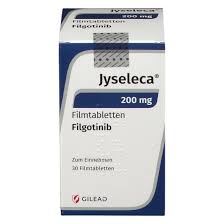
Figotinib is a selective inhibitor that mainly inhibits JAK1. It has high JAK1 selectivity and relatively weak inhibitory effect on JAK2/3 and TYK2. This high selectivity helps reduce non-target-related adverse effects, such as hematological abnormalities or immunosuppressive issues. Filgotinib has been approved in Europe and Japan for patients with moderately to severely active rheumatoid arthritis, especially those who are ineffective or intolerant to traditional DMARDs. However, it has not yet been approved by the FDA in the United States, and its global market coverage is relatively limited.
Upadatinib is another highly selective JAK1 inhibitor developed by AbbVie and has been approved in many countries for various indications such as rheumatoid arthritis, psoriatic arthritis, atopic dermatitis, and ulcerative colitis. Compared with filgotinib, upadatinib has a wider range of indications and more mature clinical use, and has been included in many international treatment guidelines. The common dosage is 15mg or 30mg taken orally once a day. The specific dosage depends on the indication and condition.
Although both drugs have shown good anti-inflammatory effects, safety concerns still need to be paid to the possible immunosuppression, elevated blood lipids, abnormal liver function and risk of infection caused by long-term use. In particular, JAK inhibitor drugs have been included in a black box warning by the FDA to remind doctors and patients to weigh the benefits of treatment against potential risks. Therefore, the choice of filgotinib or upadatinib needs to be based on the patient's individual condition, previous treatment response, comorbidities, and drug availability, and is determined by a comprehensive evaluation by a rheumatology and immunology specialist.
Reference materials:https://www.drugs.com/
[ 免责声明 ] 本页面内容来自公开渠道(如FDA官网、Drugs官网、原研药厂官网等),仅供持有医疗专业资质的人员用于医学药学研究参考,不构成任何治疗建议或药品推荐。所涉药品可能未在中国大陆获批上市,不适用于中国境内销售和使用。如需治疗,请咨询正规医疗机构。本站不提供药品销售或代购服务。


