
.jpeg)
The correct way to take lorlatinib tablets and precautions
Lorlatinib (Lolatinib) is a third-generation ALK and ROS1 inhibitor, mainly used for treatmentALKpositive non-small cell lung cancer (NSCLC) patients are especially suitable for cases that have developed resistance or progressed after early treatment with crizotinib, ceritinib or aletinib. Because of its strong efficacy and good ability to penetrate the blood-brain barrier, it is considered one of the key drugs to solve the problem of brain metastasis. In order to maximize drug efficacy and reduce adverse reactions, patients should strictly follow medication specifications. The following will systematically introduce the correct use of lorlatinib tablets from four aspects: dosage, dosage adjustment, drug interactions and precautions.
1. Correct use method
1. Take once a day, regularly
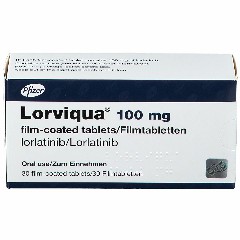
The recommended dose of lorlatinib is 100 mg once daily orally. It is not recommended to take it in divided doses, and you should not adjust the dosage yourself. It should be taken at the same time every day to maintain stable blood concentration and improve efficacy.
2. Swallow the tablet whole, do not chew or crush it
Lorlatinib should be swallowed whole and should not be chewed or dissolved to avoid affecting the release rate and absorption of the drug. It can be taken with a glass of water. It is recommended to take it on an empty stomach or with food, but it is best to keep the same diet when taking the medicine every day.
3.Handling of missed doses
If you miss a dose and there are more than 8 hours before the next dose, you can take it in time; if it is less than 8 hours before the next dose, you should skip this dose and do not take double doses.
2. Dose adjustment and use in special groups
1.Principles of dose adjustment
If the patient experiences serious adverse reactions (such as 3 or above abnormal liver function, severe high cholesterol, high triglycerides, psychiatric and neurological symptoms, etc.), the doctor may recommend temporarily discontinuing the drug or reducing the dose. Common step-down doses are 75mg/day or 50mg/day. Dosage adjustments must be made under the guidance of a doctor and cannot be changed without authorization.
2.Patients with abnormal liver and kidney function
For patients with mild or moderate hepatic impairment, dose adjustment is generally not required, but patients with severe hepatic impairment should use caution. Renal insufficiency (less than moderate) has little effect on the pharmacokinetics of lorlatinib, but patients with severe renal disease should be evaluated on an individual basis before use.
3.Elderly people and children
Elderly patients can usually use it at conventional doses, but they need to monitor their heart, liver and kidney functions; there is currently insufficient data to support the use of lorlatinib in children under 18 years of age, and medical advice is required.
3. Be wary of drug interactions
1.Concurrent use of strongCYP3A inducers is prohibited
Such as rifampicin, carbamazepine, phenobarbital, etc., these drugs can significantly reduce the plasma concentration of lorlatinib, resulting in a decrease in efficacy.
2.Avoid co-administration with strongCYP3A inhibitors
For example, ketoconazole, itraconazole, etc. will significantly increase the plasma concentration of lorlatinib and increase the risk of toxic side effects.
3.Use lipid-lowering drugs and antidepressants with caution
Lorlatinib often causes hypercholesterolemia and hypertriglyceridemia, and it is necessary to monitor blood lipids when used in combination with lipid-lowering drugs such as atorvastatin. It may also affect the central nervous system and may interfere with the mechanism of action of antidepressants, which requires medical evaluation.
4. Precautions during medication
1.Monitor blood lipids, liver enzymes and electrocardiogram
During lorlatinib treatment, blood lipids (cholesterol and triglycerides), liver function (ALT, AST, bilirubin) and electrocardiogram (PR interval changes) should be measured regularly. Especially in the early stages of treatment, monitor every 2 to 4 weeks.
2.Be alert to psychiatric and neurological symptoms
Some patients experience central nervous system side effects such as abnormal mood, memory loss, hallucinations, and language expression disorders after taking the drug. If the symptoms are obvious, you should report it to your doctor in time and reduce the dosage or suspend treatment if necessary.
3.Avoid grapefruit and grapefruit juice
Grapefruit is a powerfulCYP3A inhibitor and may interfere with the metabolic process of lorlatinib and cause an abnormal increase in blood concentration. Therefore, consumption should be avoided completely.
4.Do not drink alcohol or smoke while taking the medicine.
Alcohol may increase the burden on the liver, and various components in tobacco may affect drug metabolism, thereby affecting efficacy and safety.
5.Contraindicated for pregnant and lactating women
Lorlatinib may affect fetal development. It is recommended to avoid pregnancy during treatment and for at least 6 months after discontinuation of treatment; male patients should also use contraceptive measures during treatment.
Lorlatinib, as an advancedALK/ROS1 targeted therapy, has remarkable efficacy and has unique advantages in the control of brain metastasis. However, correct medication method is the prerequisite to ensure efficacy and avoid side effects. Patients should follow the doctor's instructions and take medication regularly, avoid combining it with contraindicated drugs, closely monitor adverse reactions, and maintain good living habits. Through scientific drug management, lorlatinib can maximize progression-free survival, improve quality of life, and bring more treatment hope to patients with ALK-positive non-small cell lung cancer.
Reference materials:https://www.drugs.com/
[ 免责声明 ] 本页面内容来自公开渠道(如FDA官网、Drugs官网、原研药厂官网等),仅供持有医疗专业资质的人员用于医学药学研究参考,不构成任何治疗建议或药品推荐。所涉药品可能未在中国大陆获批上市,不适用于中国境内销售和使用。如需治疗,请咨询正规医疗机构。本站不提供药品销售或代购服务。


