
.jpeg)
China approves sarvotinib combined with osimertinib for EGFR mutant and methionine amplified non-small cell lung cancer
The China National Medical Products Administration has approved the combination of sarvotinib and Osimertinib/Tagressa for the treatment of patients with locally advanced or metastatic, EGFR-mutated, non-squamous non-small cell lung cancer (NSCLC) carrying MET amplification after disease progression on prior EGFR TKI therapy. This regulatory approval is supported by results from the SACHI Phase 3 trial (NCT05015608). Study results to be published in 2025 showed that the combination provided clinically meaningful improvements in median progression-free survival (PFS), overall response rate (ORR) and duration of response (DOR) compared with standard chemotherapy.
In the intention-to-treat population, median PFS was 8.2 months (95% CI, 6.9-11.2) with the combination and 4.5 months (95% CI, 3.0-5.4) with chemotherapy (HR, 0.34; 95% CI, 0.23-0.49; P<.0001). 2 Among patients previously treated with a third-generation EGFR-TKI, the median progression-free survival was 6.9 months (95% CI, 4.2-9.7) with combination chemotherapy and 3.0 months (95.CI, 2.7-4.6) with chemotherapy (n=37; HR, 0.32; 95% confidence interval [CI], 0.18-0.58; P<0.0001). The ORR in the intention-to-treat population was 58% (95% CI, 49%-68% vs. 34% (95% CI, 25%-44%)), and the corresponding disease control rate (DCR) was 89% (95% CI, 81%-9). 4%) versus 67% (95% CI, 57%-76%). The median DOR was 8.4 months (95% CI, 5.9-11.1) and 3.2 months (95% CI, 2.8-4.2).
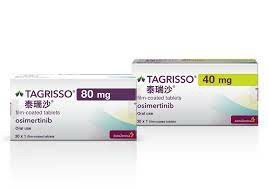
The approval of the combination of cervotinib and osimertinib is an important milestone in addressing the complex challenges of lung cancer treatment. In China,EGFR mutations are common in NSCLC patients. Improving treatment outcomes and quality of life through innovative research. The randomized, open-label, multicenter phase 3 SACHI study enrolled patients with unresectable or metastatic NSCLC who had progressed on first-line EGFR TKI therapy and demonstrated focally confirmed MET amplification. 2Eligible patients require an ECOG performance status of 0 or 1. With MET amplification acquired after a first- or second-generation TKI, one cannot have the EGFR T790M mutation; patients who received a previous third-generation EGFR-TKI only need MET amplification.
On the Independent Review Board (After disease progression was confirmed by the IRC, patients in the chemotherapy group were allowed to be transferred to the combination group. Stratification factors included brain metastases (yes vs. no), prior exposure to third-generation EGFR TKIs (yes vs. no), and EGFR mutation subtype (exon 19 deletion vs. L858R insertion vs. other). The primary endpoint of the trial is investigator-assessed PFS, and key secondary endpoints include PFS for IRC, ORR, DCR, DOR, time to response (TTR), overall survival (OS), and safety.
Subgroup analysis showed that the benefit of PFS was consistent regardless of brain metastasis status. Among patients with a history of brain metastases, median progression-free survival was 6.9 months with sarvotinib/osimertinib versus 4.7 months with chemotherapy (HR, 0.40; 95% CI, 0.23-0.71; P=0.0011). Among patients without brain metastases, median progression-free survival was 9.6 months versus 4.2 months (HR, 0.30; 95% CI, 0.18-0.48; P<0.0001). At the time of analysis, OS data were immature, with a maturity of 40%. Median OS was 22.9 months (95% CI, 16.8-not evaluable) in the sarvotinib/osimertinib group and 17.7 months (95% CI, 14.9-26.3) in the chemotherapy group (HR, 0.84; 95% CI, 0.55-1.29). Notably, 52% of patients in the chemotherapy group subsequently received treatment with a MET inhibitor, including 45 patients who crossed over and 10 patients who received other MET-directed therapies.
Among patients treated with saivotinib and osimertinib (n=106), the most common adverse events of any grade included decreased white blood cell count (49%), nausea (48%), vomiting (44%), anemia (41%), and decreased neutrophil count (41%). Other notable adverse events in this cohort included hypoalbuminemia (38%), decreased appetite (37%), peripheral edema (36%), and decreased platelet count (33%).
Laboratory abnormalities related to hepatotoxicity were also found, with elevated alanine aminotransferase levels in 28% of patients and elevated aspartate aminotransferase concentrations in 28%. In addition, 25% had elevated blood creatinine levels and 24% had fever. Patients treated with sarvotinib/osimertinib generally had lower rates of hematologic toxicities compared with the chemotherapy group. For example, anemia occurred in 41% and 73% of patients, neutropenia in 41% and 59% of patients, and thrombocytopenia in 33% and 46% of patients, respectively.
The approval of NMPA marks an important step forward in our mission to address MET-driven progression in patients with non-small cell lung cancer following first-line EGFR inhibitor treatment.
Reference materials:https://www.onclive.com/view/china-nmpa-approves-savolitinib-plus-osimertinib-for-egfr-mutant-met-amplified-nsclc
[ 免责声明 ] 本页面内容来自公开渠道(如FDA官网、Drugs官网、原研药厂官网等),仅供持有医疗专业资质的人员用于医学药学研究参考,不构成任何治疗建议或药品推荐。所涉药品可能未在中国大陆获批上市,不适用于中国境内销售和使用。如需治疗,请咨询正规医疗机构。本站不提供药品销售或代购服务。


