
.jpeg)
Clinical efficacy of Bestifan and real patient feedback
Belzutifan is a targeted therapy mainly used to treat advanced clear cell renal cell carcinoma (ccRCC) and tumors related to von Hippel-Lindau (VHL) syndrome. As a HIF-2α inhibitor, bezutivan can effectively inhibit the growth of tumor cells and help delay the progression of the disease. The drug has been launched in many countries around the world and has achieved remarkable clinical results in clear cell renal cell carcinoma.
In clinical studies, bezutivan is widely used to treat advanced clear cell renal cell carcinoma, especially in patients whose disease has progressed despite other treatments. 369 patients with advanced clear cell renal cell carcinoma were treated with bezutivan and showed significant benefits compared with traditional treatments, according to data from a major study. The study showed that patients who received bestigtivan survived on average 22 months, compared with 18 months for patients who received everolimus. Although the effects of the two drugs are somewhat different in terms of survival, bezotivan shows a longer advantage in the time that patients can survive without deterioration, with an average of 4.6 months, which is slightly inferior to everolimus's 5.4 months, but it still has positive clinical significance.
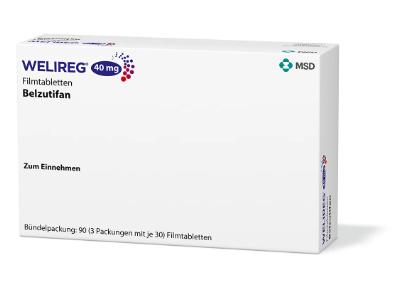
Bestivan has also shown good efficacy in the treatment of patients with tumors associated with Von Hippel-Lindau (VHL) disease. Von Hippel-Lindau syndrome is a genetic disorder in which patients typically develop several types of tumors, particularly hemangioblastomas of the kidneys, pancreas, and central nervous system. Bestivan demonstrated significant tumor responses in a study of tumors associated with VHL disease. Of the 61 patients with clear cell renal cell carcinoma, about 67% showed tumor shrinkage or no signs of cancer, and 29 patients maintained their condition for at least 18 months. In addition, in patients with other VHL-related tumors, such as hemangioblastoma of the central nervous system and pancreatic neuroendocrine tumors, bexotivan has also shown certain efficacy, proving its potential for application in various tumors related to VHL disease.
However, the therapeutic effects of besetivan are not without side effects. In clinical trials, common side effects reported by patients include anemia, hypertension, headache, fatigue and abnormal liver function. Although most of these side effects are mild and manageable, patients need regular blood tests and liver function monitoring during treatment to ensure the safety of the treatment. At the same time, some patients may develop anemia symptoms, especially when using drugs for a long time, and therefore require symptomatic treatment.
According to real feedback from patients, Bestivan has shown significant effects in prolonging patients’ survival and alleviating symptoms. Many patients reported that their quality of life has improved and their condition has been effectively controlled after using besetifan. Despite its higher price, bezutivan is considered an effective option for the treatment of advanced clear cell renal cell carcinoma in domestic and foreign medical settings, especially in patients who have failed other treatments and has unique therapeutic value.
Reference materials:https://www.welireg.com/
[ 免责声明 ] 本页面内容来自公开渠道(如FDA官网、Drugs官网、原研药厂官网等),仅供持有医疗专业资质的人员用于医学药学研究参考,不构成任何治疗建议或药品推荐。所涉药品可能未在中国大陆获批上市,不适用于中国境内销售和使用。如需治疗,请咨询正规医疗机构。本站不提供药品销售或代购服务。


