
.jpeg)
The latest research progress of roselixizumab
Rozanolixizumab (Rozanolixizumab) is a new humanized monoclonal antibody targeting generalized myasthenia gravis (gMG; a rare disease). It has gained significant attention and recognition globally in recent years. On May 9, 2025, the Japan Drug and Medical Devices Agency approved this drug for self-administration in patients with systemic myasthenia gravis. This innovative delivery method allows patients to administer treatment at home via manual bolus or syringe pump, providing patients with greater convenience and flexibility.
Although this development has brought positive effects to patients,UCB also emphasized that patients must receive training from professional medical personnel before starting home self-management. This training includes not only the proper use of drug delivery equipment, but also monitoring of possible adverse reactions and treatment effects. This measure is designed to ensure patients can use roselixizumab safely and effectively to maximize treatment effectiveness.
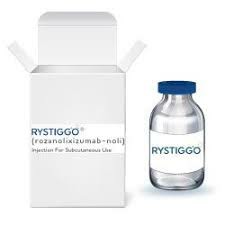
Based on clinical study data in September 2023, roselixizumab was approved for the first time in Japan for the treatment of systemic myasthenia gravis, and is used in combination with zilucoplan (Zilbrysq; UCB) in adult patients with insufficient immune response to steroids or other drugs. This approval marks Japan as the first country in the world to have two treatments for systemic myasthenia gravis simultaneously, demonstrating the country's leading position in this field.
This latest approval is based on data from the MycarinG study (NCT03971422), which showed that patients receiving roselixizumab had a significant improvement in myasthenia gravis activity of daily living scores at day 43 compared with placebo (P<0.001). This further confirms the effectiveness and potential clinical application value of roselixizumab.
In clinical trials, common adverse reactions of rozelixizumab included headache (incidence48.4%), diarrhea (25.0%) and fever (12.5%). Of note, headache was also the most common adverse reaction in placebo-treated patients (19.4%), suggesting that headache may not be a specific adverse reaction of rozelixizumab. In addition, studies have shown that the incidence of headaches does not increase with the number of treatments, which provides assurance for patients' long-term medication use.
It should be noted that no relevant studies have been conducted in patients with symptoms of myasthenic crisis or in patients experiencing a myasthenic crisis. This suggests that clinicians should exercise caution when using roselixizumab, especially when considering treating such symptomatic patients.
To further promote the application of roselixizumab,UCB has launched a global forward plan to provide home delivery services for the newly approved self-administration method through UCB Japan. The program provides patients with one-on-one support through a care coordinator to help them better cope with the challenges of treatment.
These care coordinators will assist patients with questions about insurance coverage and financial assistance, track treatment outcomes, and provide ongoing support and empowerment. This personalized service aims to improve patients' treatment compliance, enhance their initiative in managing their own health, and ultimately improve their quality of life.
Reference materials:https://www.drugs.com/rystiggo.html
[ 免责声明 ] 本页面内容来自公开渠道(如FDA官网、Drugs官网、原研药厂官网等),仅供持有医疗专业资质的人员用于医学药学研究参考,不构成任何治疗建议或药品推荐。所涉药品可能未在中国大陆获批上市,不适用于中国境内销售和使用。如需治疗,请咨询正规医疗机构。本站不提供药品销售或代购服务。


