
.jpeg)
Comparison of the efficacy and analysis of the advantages and disadvantages of pirfenidone and nintedanib
Idiopathic pulmonary fibrosis (IPF) is a chronic fatal disease characterized by progressive decline in lung function and irreversible interstitial pulmonary fibrosis, with clinical manifestations of dyspnea, dry cough, and decreased mobility. With in-depth research on the disease mechanism, anti-fibrotic treatment has become the mainstream direction of the current treatment of IPF. Currently, the two core drugs approved globally for the treatment of IPF are pirfenidone and nintedanib, which respectively slow the progression of pulmonary fibrosis through different mechanisms. The following will conduct a detailed comparison and analysis of the advantages and disadvantages of these two drugs in terms of pharmacological mechanism, efficacy, safety and patient adaptability.
1. Comparison of pharmacological mechanisms: each action path has its own focus
Pirfenidone is a small molecule anti-fibrosis and anti-inflammatory drug. It mainly inhibits the expression of transforming growth factor-β (TGF-β), platelet-derived growth factor (PDGF) and other cytokines that are closely related to fibrosis, thereby reducing collagen synthesis, thereby delaying lung tissue fibrosis. In addition, it also has certain antioxidant effects and helps to improve the damage of lung tissue caused by oxidative stress.
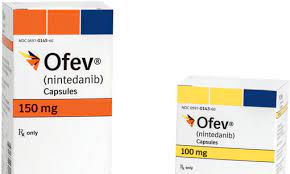
In contrast, nintedanib is an oral, multi-target tyrosine kinase inhibitor that blocks the activity of multiple receptor kinases, including PDGFR (platelet-derived growth factor receptor), FGFR (fibroblast growth factor receptor), and VEGFR (vascular endothelial growth factor receptor). These signaling pathways play an important role in the process of pulmonary fibrosis. Nintedanib interferes with the occurrence and development of pathological fibrosis from the source by inhibiting the activation of related signals.
From a mechanism perspective, there is a certain complementarity in the targets of the two, so some studies have also tried to use the two together to achieve a synergistic effect. However, there is currently a lack of sufficient safety data to support the widespread application of this strategy.
2. Comparison of efficacy: delaying the decline of lung function is the main goal
Both drugs have been proven to be effective in slowing down the decline of lung function in IPF patients, especially reducing the annual decline rate of forced vital capacity (FVC), which is a key indicator in evaluating the efficacy of IPF treatment.
Clinical studies of pirfenidone, such as the CAPACITY and ASCEND trials, have shown that it can significantly slow FVCThe symptoms of some patients have improved after taking the medicine, and the incidence of acute exacerbation of the disease has been reduced.
Nintedanib also showed good efficacy in two large studies: INPULSIS-I and INPULSIS-II. The decline rate of FVC was significantly lower than that of the placebo group, and the effect was stable in multiple subgroups, including patients with emphysema or elderly patients.
In general, the two drugs are equally effective in slowing down the decline of FVC and delaying the progression of the disease. It is not clear which one is more effective. Patients should choose the appropriate drug based on their own conditions and tolerance for adverse reactions.
3. Comparison of safety and tolerability: different types of adverse reactions
During long-term treatment, drug safety and patient tolerance directly affect treatment compliance.
The most common adverse reactions to pirfenidone include photosensitivity reactions, nausea, decreased appetite, fatigue, and rash. Among them, photosensitive dermatitis is more typical. Patients should avoid sun exposure and pay attention to sun protection measures while taking the medicine.
The side effects of nintedanib are mainly concentrated in the gastrointestinal tract, especially diarrhea, with an incidence rate of more than 60%. Some patients may experience problems such as loss of appetite, nausea, vomiting, and elevated liver enzymes.
Although both drugs have certain side effects, most of them are mild to moderate and can be alleviated by adjusting the dose, providing supportive treatment, or briefly discontinuing the drug. Generally speaking, pirfenidone is more suitable for patients with weak gastrointestinal function and poor tolerance to diarrhea, while nintedanib is suitable for people who can tolerate gastrointestinal reactions but need to avoid skin reactions.
4. Medication convenience and economic burden: Medical insurance and accessibility factors have a great impact
Both pirfenidone and nintedanib have been approved for marketing in China and included in the national medical insurance directory, significantly reducing the financial burden on patients. Both are oral tablets suitable for long-term treatment and do not require injections or hospital infusions.
Pirfenidone is usually taken three times a day, three tablets each time, which is more cumbersome;
Nintedanib is used twice a day, the dosage schedule is relatively simple, and medication compliance is slightly better.
In terms of price, the actual out-of-pocket costs after the two are included in medical insurance are similar, but the specific reimbursement ratio may vary by region; some patients will also consider overseas generic drug channels, such as Indian generic drugs, whose prices are significantly lower than domestic original drugs, which contributes to the sustainability of long-term treatment.
In summary, pirfenidone and nintedanib are effective in treating IPFIPFThe efficacy is equivalent, but there are differences in the mechanism of action, side effects and patient tolerance. Pirfenidone has more dual effects of anti-inflammatory and anti-fibrosis, while nintedanib has more targeted and multi-pathway inhibition advantages. When selecting drugs, patients should take into account factors such as their own condition, accompanying diseases, tolerance of adverse reactions, and convenience of medication, and follow the doctor's advice to formulate an individualized treatment plan. In the future, with the advancement of clinical research on more combination drugs and new drugs, treatment strategies for IPF are expected to become more precise and diversified.
Reference materials:https://www.drugs.com/
[ 免责声明 ] 本页面内容来自公开渠道(如FDA官网、Drugs官网、原研药厂官网等),仅供持有医疗专业资质的人员用于医学药学研究参考,不构成任何治疗建议或药品推荐。所涉药品可能未在中国大陆获批上市,不适用于中国境内销售和使用。如需治疗,请咨询正规医疗机构。本站不提供药品销售或代购服务。


