
.jpeg)
How to use Dabrafenib correctly
The standard administration method of Dabrafenib is oral capsule form, and its recommended dosage varies based on the patient's age, weight, indications and combination treatment regimen. For adult patients, the most common dose is 150 mg twice daily, for a total daily dose of 300 mg. When using the MEK inhibitor trametinib in combination, the dose matching of the two drugs also needs to be considered.
A key point in taking dabrafenib is that it must be taken away from food. Patients should take the medication at least 1 hour before a meal or 2 hours after a meal to ensure that the absorption of the drug is not interfered with by food. Fat intake will significantly reduce its bioavailability, so taking the drug on an empty stomach can maximize its effectiveness.
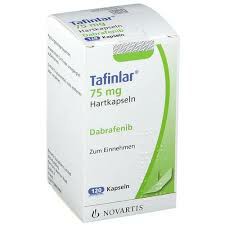
For pediatric patients, dosage needs to be individualized based on body surface area or body weight. For example, the dosage for children weighing less than 20 kg is significantly lower than that for adults. It is generally recommended that experienced oncologists prepare the dosage according to international clinical protocols. Children need to closely monitor weight changes, liver and kidney function, and adverse reactions during medication.
During the treatment process, doctors usually ask patients to take medication regularly every day and record the medication status. If the patient misses a dose and it is more than 6 hours before the next dose, he or she can take it again; if it is less than 6 hours, the dose should be skipped and the dose should not be doubled. In addition, dabrafenib should not be broken, chewed, or dissolved before taking, and the capsule should be swallowed whole.
Adverse reactions that need to be monitored during medication include fever, rash, joint pain, abnormal liver function, vision problems and new skin lesions. If grade 2 or above toxic reactions occur, the doctor may recommend temporarily discontinuing the drug or adjusting the dose. For patients with persistent high fever, it is necessary to exclude infectious factors and add antipyretics or corticosteroids as appropriate.
In addition, the pharmacokinetic characteristics of dabrafenib determine that it relies on the liver enzymesCYP3A4 and CYP2C8 during metabolism. Therefore, avoid co-administration with strong inhibitors or inducers of these enzymes to avoid affecting blood concentration. Patients should also avoid drinking alcohol or taking drugs that affect liver function while taking dabrafenib.
Reference materials:https://go.drugbank.com/drugs/DB08912
[ 免责声明 ] 本页面内容来自公开渠道(如FDA官网、Drugs官网、原研药厂官网等),仅供持有医疗专业资质的人员用于医学药学研究参考,不构成任何治疗建议或药品推荐。所涉药品可能未在中国大陆获批上市,不适用于中国境内销售和使用。如需治疗,请咨询正规医疗机构。本站不提供药品销售或代购服务。


