
.jpeg)
Analysis of situations where the use of ceritinib is not recommended clinically
Although Ceritinib has broad application prospects in the treatment of ALK-positive non-small cell lung cancer, its use is not recommended in certain groups and may even lead to significant adverse consequences. Therefore, knowledge of its contraindications and limitations of use is crucial to achieve safe and precise treatment.
First, it should be strictly contraindicated in patients with known severe allergic reactions to ceritinib or any of its excipients. This drug may cause serious adverse reactions such as rash and anaphylactic shock, and should be carefully evaluated especially in those with a history of drug allergy. In addition, in principle, the use of ceritinib is not recommended for pregnant and lactating women because it may have adverse effects on the fetus or newborn, and there is currently insufficient human safety data.
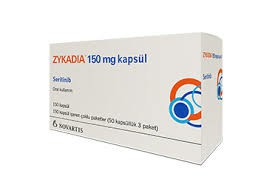
Patients with severely damaged liver function should use this drug with special caution. Ceritinib is mainly metabolized by the liver. The drug concentration in the body of patients with liver dysfunction may increase, increasing the risk of toxicity, which may be manifested by abnormal liver injury markers such as elevated transaminases and abnormal bilirubin. In patients with severe liver disease or active hepatitis (such as HBV, HCV), it is recommended to adjust the dose or even suspend use until liver function returns to stability.
Patients with gastrointestinal diseases such as active gastric ulcers and Crohn's disease may have aggravated symptoms when taking ceritinib, because one of the common side effects of the drug is diarrhea, nausea and abdominal pain. At the same time, patients with severe arrhythmias or prolonged QT syndrome also need to avoid using ceritinib to prevent the aggravation of cardiac abnormalities.
Drug interactions also need to be noted. Ceritinib is a substrate of CYP3A enzyme, and the combined use of strong CYP3A inhibitors (such as ketoconazole, clarithromycin) or inducers (such as rifampicin) can change its plasma concentration and increase the risk of adverse reactions. Therefore, it is necessary to conduct a comprehensive clinical drug interaction assessment to avoid potential medication conflicts.
Reference materials:https://www.novartis.com/our-products/pipeline/ceritinib
[ 免责声明 ] 本页面内容来自公开渠道(如FDA官网、Drugs官网、原研药厂官网等),仅供持有医疗专业资质的人员用于医学药学研究参考,不构成任何治疗建议或药品推荐。所涉药品可能未在中国大陆获批上市,不适用于中国境内销售和使用。如需治疗,请咨询正规医疗机构。本站不提供药品销售或代购服务。


