
.jpeg)
Talazoparib plus tazetostat is safe, produces signs of clinical benefit in mCRPC
Based on data from the Phase 1a/1b trial (NCT04846478) of Talazoparib and Tazemetos tat) combination therapy produced expected levels of myelosuppression and an acceptable safety profile, and clinical benefit was observed in several biomarker-selected patients with metastatic castration-resistant prostate cancer (mCRPC).
Study results published in 2025 demonstrated an overall response rate (ORR) of 8.3% in evaluable patients treated at the recommended Phase 2 dose (RP2D; n=12), with the lone responder achieving an unconfirmed partial response. The stable disease rate was 33.3%, and the disease progression rate was 58.3%. Among patients with a prostate-specific antigen (PSA) level of at least 2 ng/dL evaluable for PSA response (n = 23), 13.1% had at least a 50% decrease in PSA levels from cycle 1 day 1. Additionally, 17.4% of patients experienced a PSA decrease of at least 30%.
Regarding safety, all evaluable patients (n=27) who receivedRP2D experienced at least 1 treatment-related adverse effect (TRAE). Grade 3 or higher TRAEs occurred in 59% of patients, with the most common including thrombocytopenia, anemia, fatigue, neutropenia, leukopenia, lymphopenia, and hyperglycemia.
In a heavily pretreated, biomarker-unselected population,RP2D's talazoparib and tazerestat were associated with expected myelosuppression but otherwise had an acceptable safety profile, with clinical benefit seen in a minority of patients.
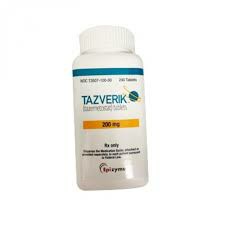
1. Phase 1 Experimental Design
In designing the Phase 1 study, researchers hypothesized that the PARP inhibition of talazopanib and the EZH2 inhibition of tazitostan could be combined safely and produce clinical responses in patients with mCRPC.
The study enrolled patients with mCRPC with adenocarcinoma or neuroendocrine histology who had experienced disease progression before receiving chemotherapy with an androgen receptor pathway inhibitor and a taxane. Patients deemed unsuitable for taxanes were allowed to enroll. Prior treatment with PARP inhibitors was allowed and no population was selected as a biomarker. Patients needed to be evaluable for response based on RECIST 1.1 criteria, defined as PSA levels above 2ng/dL or measurable disease.
During Phase 1a dose escalation, investigators evaluated 5 different dose levels of the combination, enrolling 3 to 6 patients at each dose level:
Talazoparib 0.5 mg once daily, tazerestat 400 mg twice daily
Talazoparib 0.5 mg once daily, tazerestat 600 mg twice daily
Talazoparib 0.75 mg once daily, tazerestat 600 mg twice daily
Talazoparib 0.75 mg once daily, tazerestat 800 mg twice daily
Talazoparib 1 mg once daily, tazerestat 800 mg twice daily
The dose levels selected for expansion were0.75 mg of talazoparib once daily plus 800 mg of tazitostan twice daily.
Safety/Tolerability is the primary endpoint, measured by dose-limiting toxicities and adverse event grade. RP2D was identified as the other primary endpoint. ORR is a secondary endpoint; other efficacy indicators, such as duration of response, progression-free survival and clinical benefit rate, are exploratory endpoints.
Among patients who receivedRP2D (n=27), the median duration of treatment was 3.4 months (range, 0.9-17.7); 22.2% of patients continued treatment for more than 270 days, and 7.4% of patients were still receiving treatment at the time of data cutoff. Reasons for discontinuing treatment included radiographic disease progression (48.2%), clinical/symptomatic progression (25.9%), PSA progression (7.4%), physician decision (3.7%), consent withdrawal (3.7%), and unacceptable adverse events (3.7%).
2. Additional safety data
InRP2D, 51.9% of patients required a dose adjustment, of which 25.9% required a dose adjustmenttalazoparib and 48.1% required a dose adjustmenttazerestat. The most common TRAEs of any grade reported by RP2D include decreased platelet count, anemia, fatigue, nausea, decreased neutrophil count, and decreased white blood cell count, dizziness, elevated aspartate aminotransferase levels, diarrhea, vomiting, dyspnea, headache, hypophosphatemia, hypocalcemia.
Reference materials:https://www.onclive.com/view/talazoparib-plus-tazemetostat-is-safe-generates-signs-of-clinical-benefit-in-mcrpc
[ 免责声明 ] 本页面内容来自公开渠道(如FDA官网、Drugs官网、原研药厂官网等),仅供持有医疗专业资质的人员用于医学药学研究参考,不构成任何治疗建议或药品推荐。所涉药品可能未在中国大陆获批上市,不适用于中国境内销售和使用。如需治疗,请咨询正规医疗机构。本站不提供药品销售或代购服务。


