
.jpeg)
Analysis of whether Quizartinib has been included in medical insurance and medical insurance reimbursement policy
Quizartinib is a highly selective FLT3tyrosine kinase inhibitor, mainly used to treat patients with acute myeloid leukemia (AML) carrying FLT3-ITD mutations. The drug has good targeting effect on this specific mutation subtype and has been approved in many overseas countries for the treatment of relapsed or refractory AML. However, as of now, quizartinib has not been officially approved for marketing by the Food and Drug Administration in mainland China. Therefore, it has not been included in the national medical insurance directory. Domestic patients are temporarily unable to obtain the drug through medical insurance reimbursement.
Since it is not included in the medical insurance system, if domestic patients need to use quizartinib, they can usually only obtain it through overseas drug purchase. Currently, there are mainly original drugs and multiple generic versions on the international market. The price of the original drug is relatively high, and the drug source mainly comes from Europe, America or Japan. The Indian generic version represented by Laos Lucius (Lucius) has gained high attention among patients because of its more affordable price. The common specifications of the generic version are 17.7 mg 14 tablets or 26.5 mg 14 tablets. The price of a single box is about more than 1,000 yuan, providing a relatively affordable treatment option for patients with limited financial conditions.
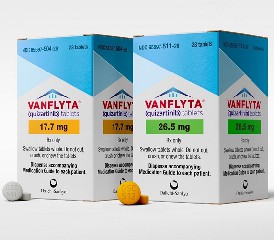
Although the price of the generic drug of Quizartinib is relatively low, it cannot obtain medical insurance reimbursement support because it is not in the domestic drug catalog. When purchasing overseas drugs, patients should pay special attention to the legality and quality assurance of drug channels. It is recommended to operate through formal cross-border medical service platforms or under the guidance of doctors to avoid affecting the treatment effect or causing safety issues due to unknown sources or irregular usage of drugs. At the same time, when using overseas drugs, you may also face the risk of not being able to enjoy domestic policy protections such as drug injury compensation and medical insurance.
To sum up, quizartinib is not yet included in China's medical insurance, and all costs must be borne by the patient themselves, especially during the long-term treatment of AML, which may bring a greater financial burden. In the future, if the drug is approved for marketing in China and successfully enters the medical insurance catalog, it will be expected to significantly reduce the cost of medication for patients and improve its accessibility for patients with FLT3-ITD mutationAML. Prior to this, patients can weigh the efficacy and economic factors under the guidance of doctors and choose an appropriate drug purchase plan.
Reference materials:https://www.drugs.com/
[ 免责声明 ] 本页面内容来自公开渠道(如FDA官网、Drugs官网、原研药厂官网等),仅供持有医疗专业资质的人员用于医学药学研究参考,不构成任何治疗建议或药品推荐。所涉药品可能未在中国大陆获批上市,不适用于中国境内销售和使用。如需治疗,请咨询正规医疗机构。本站不提供药品销售或代购服务。


