
.jpeg)
How long does it take to stop taking Upadacitinib and what are the precautions for stopping the medicine?
Upadacitinib is a selective Januskinase1 (JAK1 pan>) inhibitors are widely used to treat autoimmune diseases such as moderate to severe rheumatoid arthritis (RA), ankylosing spondylitis (AS) and atopic dermatitis. As an immunomodulatory drug, upadatinib can effectively inhibit the inflammatory response, relieve patients' symptoms, and improve their quality of life. However, there are large clinical individual differences in the discontinuation timing and precautions of upadatinib. Patients and doctors need to make comprehensive judgments based on the specific situation and formulate a reasonable discontinuation plan.
First, there is no unified standard for the dosage cycle and discontinuation time of upadatinib. Generally speaking, when treating chronic diseases such as rheumatoid arthritis, patients need to take long-term or even lifelong medication to maintain disease stability and prevent recurrence. After some patients have significant relief of symptoms and disease activity reaches low activity or remission status, doctors may consider gradually reducing the dose or discontinuing the drug, but this process must be done with caution. Clinical studies have shown that blind or sudden discontinuation of medication may lead to disease recurrence or exacerbation. Therefore, individualized plans should be adopted for discontinuation of medication, and changes in the patient's condition should be closely monitored.
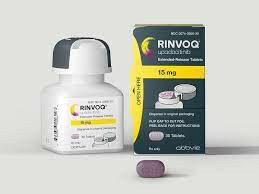
Secondly, patients should be fully evaluated before discontinuing medication, including disease activity, immune indicators, clinical symptoms, and drug tolerance. Usually, doctors will recommend that patients consider reducing the dose or gradually discontinuing the drug when their condition is stable for at least 6 months and there are no obvious signs of inflammation. The reduction plan generally involves first reducing the dose of upadatinib to the lowest effective dose, observing changes in the condition, and then deciding whether to completely discontinue the drug based on the specific situation. During the entire process, patients should regularly review blood routine, liver and kidney function, and inflammatory indicators to ensure that there is no risk of recurrence or drug side effects.
Special attention needs to be paid to condition monitoring and life management after discontinuation of medication. Patients should pay close attention to the occurrence of symptoms such as joint pain, swelling, and morning stiffness. If signs of recurrence are found, they should seek medical treatment in time to adjust the treatment plan. At the same time, since Upatinib is an immunosuppressant, the body's immune function gradually recovers after discontinuation of the drug, and the risk of infection may be reduced, but some patients may experience disease rebound. It is recommended to maintain good living habits during the withdrawal period, avoid infection, eat reasonably, exercise moderately, and enhance physical fitness.
In summary, the discontinuation time of upadatinib varies depending on individual patients, and it usually needs to be gradually reduced or discontinued under the guidance of a professional doctor after the condition is sufficiently stabilized. The drug withdrawal process must be cautious and disease changes must be closely monitored to avoid the risk of recurrence. Patients should maintain good communication with their doctors, return for follow-up appointments on time, pay attention to changes in their symptoms, and take appropriate measures in a timely manner. In addition, reasonable life management and psychological support are also important guarantees to ensure the safety and long-term efficacy of drug withdrawal. In the future, with the accumulation of more clinical studies and real-world data, the discontinuation strategy of upadatinib will be more scientific and personalized, bringing patients a better treatment experience and quality of life.
Reference materials:https://www.drugs.com/
[ 免责声明 ] 本页面内容来自公开渠道(如FDA官网、Drugs官网、原研药厂官网等),仅供持有医疗专业资质的人员用于医学药学研究参考,不构成任何治疗建议或药品推荐。所涉药品可能未在中国大陆获批上市,不适用于中国境内销售和使用。如需治疗,请咨询正规医疗机构。本站不提供药品销售或代购服务。


