
.jpeg)
What are the precautions for bevacizumab?
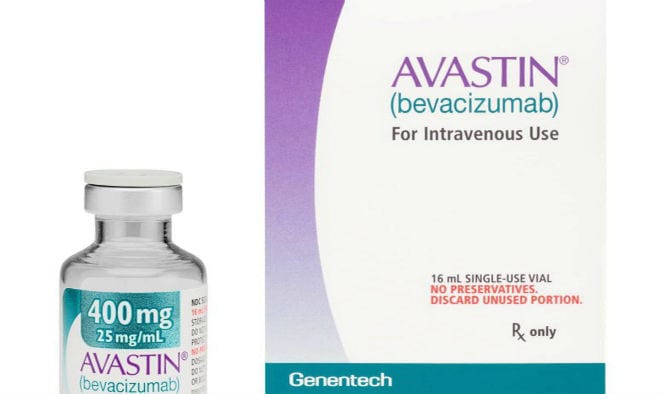
Bevacizumab ( Bevacizumab), as an anti-cancer drug, is mainly used to treat a variety of malignant tumors. Although its efficacy is remarkable, many aspects need to be paid attention to during use to ensure patient safety and therapeutic effect. The following are the main considerations when using bevacizumab.
1. Gastrointestinal perforation and fistula
The risk of gastrointestinal perforation and fistula formation is significantly increased during bevacizumab treatment, especially in patients with pre-existing abdominal abscess or other related complications. Studies have shown that patients treated with bevacizumab have a higher incidence of severe fistulas (in areas such as the tracheoesophagus, bronchopleura, biliary tract, kidneys, and bladder) than patients who receive chemotherapy alone. Therefore, this drug should be used with caution in patients with ovarian cancer who have pelvic examination or intestinal involvement as shown on CT scan or clinical symptoms. If gastrointestinal perforation or other grade 4 fistula occurs, treatment needs to be stopped immediately.
2. Surgical and wound healing complications
Patients may experience wound healing complications during treatment with bevacizumab. In this case, bevacizumab should be withheld until the wound has completely healed. For patients planning to undergo elective surgery, it is recommended to stop medication at least 28 days before surgery, and to wait at least 28 days after major surgery to ensure that the wound has healed well before resuming treatment. In addition, bevacizumab treatment may cause necrotizing fasciitis, which may be fatal in some cases, so if this occurs, the drug should be discontinued immediately.
3. Bleeding risk
Bevacizumab use has also been associated with bleeding events, including mild and severe bleeding. The most common minor bleeding is epistaxis, while severe bleeding includes hemoptysis, gastrointestinal bleeding, and central nervous system bleeding. The data showed that patients who received bevacizumab experienced serious or fatal bleeding five times more frequently than those who received chemotherapy alone. Therefore, when treating patients withHCC (hepatocellular carcinoma), it is recommended that varicose veins be evaluated within six months of starting treatment.
4. Arterial thromboembolic events
Patients taking bevacizumab are at risk of arterial thromboembolism, which includes cerebral infarction, transient ischemic attack, myocardial infarction, etc. Have a history of arterial thromboembolism, diabetes, or age overPatients over 65 years old have a higher risk of developing ATE (arterial thromboembolism). If the patient develops severe symptoms, the medication should be stopped immediately.
5. Venous thromboembolic events (VTE)
During bevacizumab treatment, if a patient develops grade 4VTE, including pulmonary embolism, the drug should be discontinued immediately.
6. High blood pressure
Patients receiving bevacizumab are at significantly increased risk of developing severe hypertension. Therefore, during treatment, blood pressure should be monitored every two to three weeks and antihypertensive treatment should be administered if necessary. For those patients who develop hypertension after taking medication, it is necessary to continue to monitor blood pressure regularly and adjust the treatment plan appropriately. Bevacizumab also needs to be discontinued in patients with severe hypertension that cannot be controlled by medical management.
7. Posterior reversible encephalopathy syndrome (PRES)
PRES is a disease that affects the central nervous system, with symptoms including headaches, seizures, and confusion. The occurrence of this condition may be related to high blood pressure. After diagnosis of PRES, bevacizumab needs to be stopped immediately, and symptoms usually resolve within a few days of stopping the drug. However, some patients may be left with persistent neurological sequelae.
8. Kidney damage and proteinuria
During treatment, it is recommended to monitor the development or worsening of proteinuria with urine dipsticks. When the urine dipstick shows 2+ or higher, the patient should undergo further evaluation. If the 24-hour urine protein amount is ≥2 grams, medication should be suspended, and resumption of treatment can be considered when the proteinuria level drops below 2 grams. Bevacizumab should be discontinued in patients with known nephrotic syndrome.
9. Infusion-related reactions
Bevacizumab infusion may cause a variety of reactions, including hypertension, dyspnea, chest pain, and allergic reactions. To reduce the occurrence of mild infusion reactions, the infusion rate can be slowed down. If the patient experiences severe infusion-related reactions, the infusion should be stopped and appropriate intervention measures should be taken, such as administering epinephrine, corticosteroids, and antihistamines.
10. Embryo-fetal toxicity
Bevacizumab may have adverse effects on the fetus when used in pregnant women, so women of childbearing potential need to be informed of the potential risks. Effective contraception should be recommended during treatment and for six months after the last dose.
11. Ovarian failure
Female patients taking bevacizumab need to be aware of the risk of ovarian failure. Recovery of ovarian function was defined as return of menstruation, positive pregnancy test, orFSH level is less than 30mIU/mL. However, the long-term effects of bevacizumab on fertility are unclear.
12. Congestive heart failure (CHF)
Bevacizumab is not suitable for use in combination with anthracycline chemotherapy because it may increase the risk of CHF and decreased left ventricular ejection fraction. Therefore, bevacizumab should be discontinued in patients with a prior history of CHF.
Reference materials:https://www.drugs.com/bevacizumab.html
[ 免责声明 ] 本页面内容来自公开渠道(如FDA官网、Drugs官网、原研药厂官网等),仅供持有医疗专业资质的人员用于医学药学研究参考,不构成任何治疗建议或药品推荐。所涉药品可能未在中国大陆获批上市,不适用于中国境内销售和使用。如需治疗,请咨询正规医疗机构。本站不提供药品销售或代购服务。


