
.jpeg)
Clinical effects and patient feedback of Bosutinib in the treatment of ALS
Bosutinib is an oral tyrosine kinase inhibitor that was originally used to treat chronic myeloid leukemia (CML), especially Philadelphia chromosome-positive (Ph+) chronic phase patients. Its mechanism of action is mainly to achieve anti-tumor effects by inhibiting the tyrosine kinase activity of BCR-ABL fusion protein and blocking the signal transduction pathway of cancer cells. In recent years, as the understanding of the mechanisms of neurodegenerative diseases continues to deepen, researchers have discovered that bosutinib may also have certain potential in the treatment of amyotrophic lateral sclerosis (ALS), and its application in this field has been explored in multiple clinical studies.
ALS (Amyotrophic lateral sclerosis) is a fatal neurodegenerative disease that affects motor neurons. Patients will gradually develop muscle weakness and atrophy until respiratory failure. There is currently no complete cure. Existing treatments such as riluzole (Riluzole) and edaravone (Edaravone) mainly delay disease progression, but the overall efficacy is limited. In this context, bosutinib has entered the ALS research field as a new therapeutic candidate, and its potential has attracted widespread attention. Researchers have found in animal models and cell experiments that the activity of ABL kinase is abnormally enhanced in the neurons of ALS patients, and bosutinib can effectively inhibit the ABL family tyrosine kinase, which may block cellular stress and apoptosis pathways, thereby delaying the death of motor neurons.
In 2022, a research team including Massachusetts General Hospital in the United States conducted a phase I/II clinical trial of bosutinib for ALS, recruiting 16 ALS patients. In a 12-week trial, patients were given 100 mg of bosutinib daily to observe its safety, tolerability and impact on motor function. The study results showed that most patients tolerated the drug well and did not experience serious adverse reactions. Common side effects include mild diarrhea, fatigue, headache and rash. More importantly, some patients showed a slowdown in motor function decline during medication, and the ALS functional score (ALSFRS-R) declined less than the control data, suggesting that the drug may have the effect of delaying disease progression.
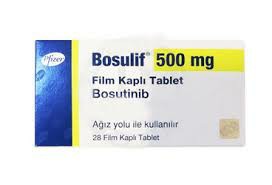
Although the trial sample size is small and the period is short, this study provides new clues for targeted treatment of ALS and also confirms the research value of ABL inhibition in neurodegenerative diseases. Since then, some international research teams have launched larger-scale, long-term follow-up clinical trials to further verify the efficacy and long-term safety of bosutinib in ALS patients. Such trials have also begun to explore whether patients with different ALS subtypes or gene mutation backgrounds (such as SOD1, TDP-43 mutations) respond differently to bosutinib, providing a basis for precision medicine.
Based on patient feedback, some ALS patients participating in the trial reported that after taking bosutinib, their fatigue was reduced, their limb muscle strength was slightly improved, and their swallowing and speaking abilities were stable. A few even reported that their daily activities did not decline significantly during treatment. Although these feelings are personal experiences, even a small delay is of great significance to ALS patients who are suffering from the gradual loss of motor function. However, some patients reported that no significant improvement was observed, and even mild gastrointestinal discomfort or skin sensitivity reactions occurred, suggesting that the dose of the drug still needs to be further optimized and individualized medication strategies are needed.
It should be emphasized that bosutinib has not yet been officially approved for ALS treatment, and all clinical trials are in the research stage. If patients wish to try this drug, they need to participate in clinical research projects or carefully evaluate the risks and benefits under the guidance of a professional doctor. Since bosutinib is an anti-cancer drug, its price is relatively high, and its long-term use has potential toxic and side effects, especially in liver function, blood cell counts, and cardiovascular system. It requires regular monitoring and attention to drug interactions when used in combination with other drugs.
In general, bosutinib, as an ABL kinase inhibitor, has shown potential application prospects in the treatment of neurodegenerative diseases such as ALS. Its innovative mechanism and positive preliminary clinical results have injected new hope into this field. However, the current evidence is still in the early stage, and it still needs a larger sample size, long-term efficacy verification and global multi-center studies before it is actually approved for ALS treatment. For ALS patients and medical workers, paying attention to the progress of innovative targeted therapies such as bosutinib, combined with multimodal treatments such as nutritional support and rehabilitation intervention, may be an important direction to improve the quality of life and delay the progression of the disease.
Reference materials:https://www.drugs.com/
[ 免责声明 ] 本页面内容来自公开渠道(如FDA官网、Drugs官网、原研药厂官网等),仅供持有医疗专业资质的人员用于医学药学研究参考,不构成任何治疗建议或药品推荐。所涉药品可能未在中国大陆获批上市,不适用于中国境内销售和使用。如需治疗,请咨询正规医疗机构。本站不提供药品销售或代购服务。


