
.jpeg)
What are the advantages of Ensartinib and Aletinib?
Ensartinib and alectinib (Alectinib) are both targeted drugs used to treat patients with ALK fusion-positive non-small cell lung cancer (NSCLC). With the development of ALK inhibitors, these two drugs have their own characteristics in clinical application. This article will analyze in detail the advantages of ensartinib over aletinib in terms of drug mechanism, efficacy performance, drug resistance, brain metastasis control and safety.
Ensartinib and aletinib are both second-generation ALK tyrosine kinase inhibitors that block the proliferation signals of cancer cells by inhibiting the kinase activity of ALK fusion proteins. Ensartinib is structurally designed to have strong inhibitory activity against a variety of ALK gene mutations, especially against certain drug-resistant mutations (such as L1196M, G1202R). Although alectinib is effective, its inhibitory effect on some drug-resistant mutation sites is relatively limited, which gives ensartinib certain advantages in dealing with disease progression induced by drug-resistant mutations.
In terms of efficacy, clinical study data show that ensartinib has excellent performance in patients’ objective response rate (ORR) and progression-free survival (PFS). Some clinical trials have shown that patients with ensartinib have a median progression-free survival of more than 20 months and have a good response to multiple ALK variants. As a widely recognized ALK inhibitor, aletinib has equally outstanding efficacy, but in patients with certain refractory mutations, ensartinib shows stronger inhibitory potential, providing patients with more durable disease control.
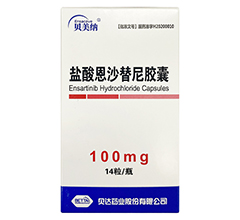
Ensartinib shows significant advantages in its ability to control brain metastasis. Brain metastasis isALKpositiveNSCLCA common complication among patients, control of brain lesions is an important indicator of successful treatment. Ensartinib has strong blood-brain barrier penetration ability, can effectively reach brain targets, reduce the risk of brain metastasis, and has a good therapeutic effect on existing brain metastases. In contrast, although alectinib also has certain brain penetration, ensartinib has shown a higher brain disease response rate and longer brain progression-free survival in some studies.
Ensartinib has a good safety and tolerability profile. Although both drugs may cause similar side effects, such as rash, abnormal liver function, and fatigue, ensartinib has a lower incidence of side effects in some patient groups, and most side effects can be effectively controlled through dose adjustment and symptomatic treatment. Good tolerance enables patients to adhere to long-term medication and maintain stable therapeutic effects.
The dosage form and convenience of administration of ensartinib are also one of its advantages. Ensartinib is an oral preparation that is easy to take, has stable pharmacokinetic properties, and has little impact on the patient's quality of life. This is particularly important for long-term treatment of ALK positive patients, helping to improve patient compliance and treatment continuity.
In summary, compared with aletinib, ensartinib has certain advantages in covering more drug-resistant mutations, controlling brain metastases, durability of efficacy, and safety and tolerability. With the accumulation of more clinical data, ensartinib is expected to become one of the important options for the treatment of ALK positive non-small cell lung cancer. When choosing specific medications, patients should choose the most suitable treatment plan based on their own condition and doctor's advice.
Reference materials:https://www.drugs.com/
[ 免责声明 ] 本页面内容来自公开渠道(如FDA官网、Drugs官网、原研药厂官网等),仅供持有医疗专业资质的人员用于医学药学研究参考,不构成任何治疗建议或药品推荐。所涉药品可能未在中国大陆获批上市,不适用于中国境内销售和使用。如需治疗,请咨询正规医疗机构。本站不提供药品销售或代购服务。


