
.jpeg)
Detailed explanation of the molecular structure and mechanism of Datopotamab
Datopotamab Deruxtecan (Dato-DXd for short) is a new type of antibody drug conjugate (ADC), developed by Daiichi Sankyo (Daiichi Sankyo) was jointly developed with AstraZeneca (AstraZeneca), mainly targeting the TROP2 (Trophoblast cell surface antigen 2) protein. Its drug structure consists of three parts: the first is a monoclonal antibody that can accurately recognize TROP2; the second is a linker that is sensitive to enzyme cleavage; and the third is a drug load with strong cytotoxicityDXd (Exatecan derivative, a topoisomeraseI inhibitor). This structural design gives it the therapeutic potential of "accurate identification + efficient killing".
TROP2 is a tumor-associated antigen highly expressed in many solid tumors. It is widely found in non-small cell lung cancer, triple-negative breast cancer, pancreatic cancer, gastric cancer and other cancers, and its expression level is closely related to tumor progression. Since the expression of TROP2 is low in normal tissues, Datopotamab can achieve targeted delivery of toxins and minimize the impact on healthy cells. This target selection also opens up a wide range of indications for the treatment of solid tumors.
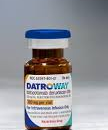
The linker of Datopotamab is a tetrapeptide structure that can be cleaved by lysosomal proteases (such as Val-Cit), which can release the anti-cancer toxin DXd after entering tumor cells. DXdAs a potent topoisomerase I inhibitor, it can interfere with the DNA replication and repair process and induce the occurrence of DNA in cancer cells.Fragmentation and apoptosis. At the same time, the released toxin has a "bystander effect" and can further kill nearby cancer cells that do not express TROP2 and enhance the overall anti-tumor activity.
Preclinical and clinical studies have shown that Datopotamab exhibits good efficacy and a relatively controllable safety profile in the treatment of triple-negative breast cancer and non-small cell lung cancer. It carries a lower risk of severe interstitial lung disease and is better tolerated than some traditional ADCs. In the future, with the announcement of Phase III clinical results, this drug is expected to become one of the important treatment options for patients with TROP2-positive solid tumors.
Reference materials:https://www.drugs.com/
[ 免责声明 ] 本页面内容来自公开渠道(如FDA官网、Drugs官网、原研药厂官网等),仅供持有医疗专业资质的人员用于医学药学研究参考,不构成任何治疗建议或药品推荐。所涉药品可能未在中国大陆获批上市,不适用于中国境内销售和使用。如需治疗,请咨询正规医疗机构。本站不提供药品销售或代购服务。


