
.jpeg)
Recommended dosage and cycle introduction of Zenocutuzumab
Zenocutuzumab (codenamed MCLA-128) is a bispecific monoclonal antibody developed by the Dutch biotechnology company Merus. It mainly targets HER2 and HER3 receptors for the treatment of patients with NGR1 gene fusion (NRG1 fusion) solid tumors. Zenocutuzumab was developed to solve the problem of traditional HER family targeted drugs having limited efficacy against certain rare mutant tumors. , especially in pancreatic cancer, non-small cell lung cancer (NSCLC) and breast cancer, it shows good prospects. The following is a detailed introduction to the recommended dosage and administration period of this drug, and analyzes it based on clinical research and medication practice.
1. Zenocutuzumab’s mechanism of action and suitable populations
Zenocutuzumab is a humanized IgG1 bispecific antibody that can simultaneously bind HER2 and pan>HER3 two receptors, blocking their heterodimerization and the downstream PI3K/AKT and MAPK signaling pathways. Especially for NRG1 fusion-driven tumors, Zenocutuzumab effectively inhibits the growth signaling of tumor cells by blocking the combination of NRG1 and HER3. This targeting mechanism also allows it to show therapeutic potential in patients resistant to other HER family inhibitors.
Zenocutuzumabhas not yet received official global marketing approval and is still in the phase II/phase III clinical trial stage. However, with the support of the "Breakthrough Therapy Designation" granted by the US FDA, it has carried out research projects called in multiple countries.The global clinical trial of eNRGy targets patients with NRG1 fusion-positive solid tumors.
2. Recommended dosage and administration method (based on clinical trials)
Based on theeNRGy trial and other published clinical research data, the recommended standard dosage of Zenocutuzumab is 750 mg, administered by intravenous injection. The first dose (loading dose) is once a week for a total of three times. This is followed by a maintenance phase with dosing every two weeks.
The specific dosage regimen is as follows:
Previous3 weeks (induction period): 750 mg Zenocutuzumab, intravenously administered once a week
After (maintenance phase):750 mg intravenously every two weeks
Duration of each infusion: approximately 1 hour (the first infusion can be extended to 2 hours to reduce infusion-related reactions)
On the basis that the patient is of normal weight (>50 kg), this dose does not need to be adjusted based on body weight. For patients with lower body weight, abnormal liver and kidney function, or other comorbidities, whether the dose needs to be adjusted individually is currently insufficient evidence to support changing the standard dose. Therefore, clinicians should decide whether to adjust the dose based on adverse reaction monitoring and disease progression.
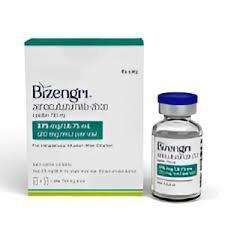
3. Medication cycle and evaluation standards
Zenocutuzumab adopts cyclic administration, but there is no fixed upper limit of treatment course in clinical studies. Dosing can be continued as long as the patient is benefiting from the drug (i.e., the tumor does not progress or the patient does not experience severe toxicity). Therefore, the dosing cycle is open-ended, and it is generally recommended that each cycle is 14 days (Q2W), and continuous efficacy evaluation is performed.
Effectiveness evaluation cycle: Imaging (CT/MRI) examination is performed every 8to 12 weeks, and changes in lesions are judged according to RECIST v1.1 standards;
Indications for discontinuation: disease progression (PD), unacceptable adverse reactions, or patient's initiative to terminate treatment;
Rechallenge strategy: If recovery conditions permit after interruption, some patients try to reintroduce Zenocutuzumab treatment in clinical practice.
At the same time, in order to prevent immune-related adverse reactions or drug resistance, it is recommended to monitor liver function, kidney function, electrolytes, electrocardiogram and other routine items before each infusion during treatment, paying special attention to the occurrence of infusion-related reactions (such as chills, fever, rash, etc.) and cardiotoxicity.
4. Combination with other drugs and future trends
ZenocutuzumabCurrently, it is mainly used as a monotherapy, but some studies are also exploring the potential of combination with other drugs such as anti-PD-1 immune checkpoint inhibitors (such as pembrolizumab), especially in patients with recurrent lung cancer and pancreatic cancer. The drug's low immunotoxicity and good tolerability make it a promising combination therapy.
In the future, ifZenocutuzumabOnce officially launched on the market, its recommended dosage and cycle may be further verified and optimized in more people and different cancer types. At present, its usage mode of "continuous administration according to efficacy, two-week cycle, fixed dose of 750 mg" has become one of the standard regimens in the treatment of NRG1 fusion-positive solid tumors.
ZenocutuzumabThe recommended dose is 750 mg administered intravenously once weekly for the first three weeks, then every two weeks as maintenance therapy. The dosing cycle is evaluated on a 14-day cycle, and the treatment course is open until disease progression or intolerability. Due to its precise targeting and low toxicity, the drug shows good prospects in NRG1 fusion-positive solid tumors. Although it has not yet been widely marketed, its dosage and cycle regimen have been gradually standardized in clinical trials, laying the foundation for its subsequent formal entry into the market and clinical application. Patients should be strictly managed and monitored by oncologists during use to ensure the safety and effectiveness of treatment.
Reference materials:https://www.drugs.com/
[ 免责声明 ] 本页面内容来自公开渠道(如FDA官网、Drugs官网、原研药厂官网等),仅供持有医疗专业资质的人员用于医学药学研究参考,不构成任何治疗建议或药品推荐。所涉药品可能未在中国大陆获批上市,不适用于中国境内销售和使用。如需治疗,请咨询正规医疗机构。本站不提供药品销售或代购服务。


