
.jpeg)
Comparative analysis of drug instructions and quality of generic drug Binimetinib
1. Overview of bimetinib
Binimetinib is an oral selective MEK1/2 inhibitor, mainly used to treat patients with advanced melanoma carrying BRAF mutations. Its mechanism of action is to block the proliferation and survival of tumor cells by inhibiting the MEK kinase in the MAPK signaling pathway. Bimetinib has been approved in many countries and regions around the world and has brought significant therapeutic effects to specific patient groups as first-line or combination therapy.
2. Comparison of generic drug instructions
Generic drugs, as "copies" of the original drug, must strictly follow the contents of the original drug in the drug instructions, including indications, usage and dosage, adverse reactions, contraindications and precautions, etc. Generally, the instructions for generic drugs are highly consistent with those of the original bimetinib drug to ensure that doctors and patients can use the drug correctly.
However, due to differences between pharmaceutical companies, there may be slight differences in textual expressions and detailed instructions for generic drug instructions. For example, some generic drugs will describe adverse reactions in more detail based on their own production processes and clinical experience, or add warning information relevant to local patient groups. In addition, the language of the instructions for generic drugs may be more in line with the regulatory requirements and cultural background of a specific country, enhancing patient understanding and compliance.
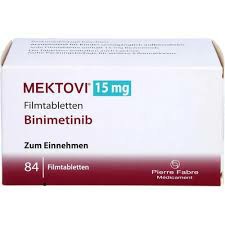
3. Differences in quality standards and testing
The core requirement for generic drugs is to be comparable in quality, safety and efficacy to original drugs. This standard is strictly supervised by the drug regulatory authorities of various countries. Generic drugs must pass bioequivalence tests to prove that their drug absorption and metabolism in the body are equivalent to that of bimetinib’s original drug to ensure the consistency of clinical efficacy.
In terms of quality control, generic drug manufacturing companies must produce according to GMP (Good Manufacturing Practice) standards to ensure the purity, stability and accurate dosage of the drugs. The production processes of different companies may lead to differences in impurity profiles, crystal forms or excipients, but these changes must be within the allowable range and must not affect the clinical performance of the drug.
4. Clinical effects and patient experience
Clinically, generic drugs that have undergone strict review and approval usually have similar therapeutic effects and safety to the original drug bimetinib. Multiple studies have shown that when patients use certified generic drugs, there is no significant difference in tumor control rates and side effects compared with the original drugs.
However, individual patient differences and psychological factors can also affect medication experience. Some patients may trust the brand influence of original drugs more and be wary of generic drugs. In addition, due to their lower prices, generic drugs can improve patients' medication compliance and accessibility, thereby indirectly promoting the realization of therapeutic effects.
5. Summary
Generally speaking, generic drugs are highly consistent with the original drug of Metinib in terms of drug instructions and quality, and have undergone strict quality and bioequivalence testing to ensure safety and effectiveness. The emergence of generic drugs not only reduces patient treatment costs, but also promotes the optimal allocation of medical resources. When making choices, patients should take into account doctors’ recommendations and give priority to products that have passed formal approval channels to ensure medication safety and therapeutic effects.
Reference materials:https://www.drugs.com/
[ 免责声明 ] 本页面内容来自公开渠道(如FDA官网、Drugs官网、原研药厂官网等),仅供持有医疗专业资质的人员用于医学药学研究参考,不构成任何治疗建议或药品推荐。所涉药品可能未在中国大陆获批上市,不适用于中国境内销售和使用。如需治疗,请咨询正规医疗机构。本站不提供药品销售或代购服务。


