
.jpeg)
Common side effects of Telisotuzumab and how to deal with them
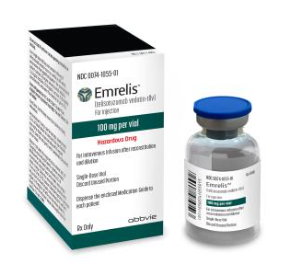
Telisotuzumab (Telisotuzumab) is an innovative targeted therapy drug, mainly used to treat patients with non-small cell lung cancer (NSCLC) with MET overexpression or gene amplification. As an antibody drug conjugate (ADC), terituzumab specifically binds to the MET receptor on the surface of tumor cells, delivering cytotoxic drugs directly to cancer cells, thereby effectively killing tumor cells. Despite the remarkable efficacy, patients may experience a certain degree of side effects during treatment. Understanding these side effects and how to deal with them is crucial to ensuring the smooth progress of treatment and the patient's quality of life.
1. Common side effects of territuzumab
1.Fatigue (tiredness)
This is one of the most common symptoms in patients receiving terituzumab. Fatigue may manifest itself as persistent lack of physical strength, lack of energy, or even affect daily life and work. Although the specific mechanism of fatigue is not fully understood, it may be related to the systemic effects of drugs and the burden of the tumor itself on the body.
2.Gastrointestinal reactions
Symptoms include nausea, vomiting, diarrhea and constipation. Gastrointestinal discomfort may affect the patient's appetite and nutritional status, and if not treated in time, may lead to weight loss and reduced immunity.
3.Abnormal liver function
Some patients may experience elevated liver enzymes, such as alanine aminotransferase (ALT) and aspartate aminotransferase (AST) during treatment with terituzumab. Abnormal liver function requires close monitoring to prevent further deterioration of the condition.
4.Skin reaction
Including rash, itching, dryness, etc. Skin reactions are usually mild to moderate but can sometimes significantly affect patient comfort and treatment compliance.
5.Hematological abnormalities
Such as thrombocytopenia, leukopenia and anemia, etc., may increase the risk of infection and bleeding.
6.Infusion-related reactions
Infusion reactions such as fever, chills, headache, etc. may occur during or after infusion. They are generally mild, and a few patients may require symptomatic treatment.
2. Side effects response and management strategies
1.Fatigue Management
Patients should arrange their work and rest time reasonably to ensure adequate rest and sleep. Appropriate light physical exercise can help relieve fatigue. Patients and family members should pay attention to changes in fatigue and seek help from professional doctors and psychological counseling when necessary.
2.Management of gastrointestinal symptoms
For nausea and vomiting, doctors usually give antiemetic drugs, such as ondansetron or metoclopramide, according to the patient's specific conditions. Patients with diarrhea should pay attention to replenishing water and electrolytes, and use antidiarrheal drugs if necessary. In terms of diet, it is recommended to adopt the principles of easy digestion, lightness, small meals and frequent meals, and avoid irritating foods.
3.Liver function monitoring and protection
Liver function indicators should be monitored regularly during treatment, and any abnormalities should be reported to the doctor promptly. Patients should avoid drinking alcohol and use drugs that may damage the liver with caution. In cases of severe liver function abnormalities, doctors may need to adjust or suspend medication.
4.Skin care
Patients are advised to keep their skin clean and moisturized and avoid using harsh skin care products. For rashes and itching, your doctor may prescribe topical medications such as hormonal ointments or oral antihistamines. Severe skin reactions require prompt medical treatment.
5.Monitoring of hematological abnormalities
Regular blood tests are required. For leukopenia, doctors may give growth factor support therapy; when anemia is severe, blood transfusions or iron supplements may be needed. Infection prevention measures need to be strengthened, including avoiding close contact with cold patients and maintaining good personal hygiene.
6.Prevention of infusion reactions
Anti-allergic drugs can be used prophylactically before infusion. During the infusion process, the patient's reaction is closely observed, and if abnormalities are found, the drug is promptly discontinued and symptomatic treatment is given.
3. Patient self-management and doctor-patient communication
Patients should pay close attention to the changes in their symptoms during the treatment process and communicate with the attending doctor in a timely manner. Understanding the possible side effects of medications and how to manage them can help patients better cope with discomfort and improve treatment compliance. At the same time, the support and understanding of family members also have a positive impact on patients' psychological and physical recovery.
Terituzumab has shown good efficacy in the treatment of non-small cell lung cancer, but it is accompanied by certain side effects. Through scientific side effect management and patient education, most adverse reactions can be effectively alleviated. Medical staff should provide patients with all-round support and guidance to help patients successfully complete the treatment process, improve their quality of life, and ultimately achieve better treatment results.
Reference materials:https://www.drugs.com/
[ 免责声明 ] 本页面内容来自公开渠道(如FDA官网、Drugs官网、原研药厂官网等),仅供持有医疗专业资质的人员用于医学药学研究参考,不构成任何治疗建议或药品推荐。所涉药品可能未在中国大陆获批上市,不适用于中国境内销售和使用。如需治疗,请咨询正规医疗机构。本站不提供药品销售或代购服务。


