
.jpeg)
Tucatinib (Tucatinib) detailed instructions for usage, dosage and contraindications
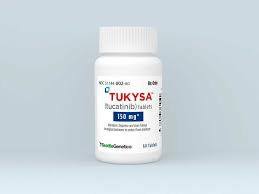
Tucatinib (also known as tucatinib) is a new generation of oral HER2-targeted small molecule tyrosine kinase inhibitor. It is mainly used to treat HER2-positive metastatic breast cancer, especially showing significant efficacy in patients with brain metastases. As part of precision targeted therapy, tucatinib has strict regulations on usage, dosage, combined medication, and contraindications. The following is a detailed introduction to usage, dosage and contraindications based on tucatinib’s official instructions and clinical experience for the reference of patients and clinicians.
1. Recommended usage and dosage
1. Standard dose
The usually recommended dose of tucatinib is 300mg orally administered twice daily at an interval of about 12 hours, with no meal time limit. Tablets should be swallowed whole and not broken, crushed or chewed.
In pivotal clinical trialsHER2CLIMB, tucatinib is often combined with trastuzumab (trastuzumab) and capecitabine (capecita bine) for the treatment of patients with HER2-positive locally advanced or metastatic breast cancer after multiple lines of therapy (such as trastuzumab, pertuzumab, T-DM1).
2. Combined medication dosage reference
Trastuzumab: Initial loading dose of 8 mg/kg intravenously, followed by maintenance dose of 6 mg/kg every three weeks.
Capecitabine: The recommended dose is 1000mg/m² orally twice a day, and the medication cycle is continuous 14 days followed by a break 7 days (21 days is a cycle).
In combination therapy, tucatinib needs to be taken twice daily continuously and is not affected by the capecitabine withdrawal period.
3. Dose adjustment for special populations
Patients with liver function impairment: Patients with mild liver impairment do not need to adjust the dose. For patients with moderate liver impairment, it is recommended that the starting dose be reduced to 200mgtwice/Day, safety has not been established in patients with severe liver function impairment and should be used with caution.
Patients with impaired renal function: No dose adjustment is required for patients with mild to moderate renal impairment. Patients with severe renal impairment (CrCl <30 mL/min) or dialysis patients lack research data and should be evaluated with caution.
4. Dose adjustment due to adverse reactions
Common adverse reactions that require dose adjustment include diarrhea, hand-foot syndrome, elevated transaminases, etc. Once ≥3 grade toxic reactions occur (such as persistent severe diarrhea, ALT/AST significant increase, etc.), tucatinib should be suspended. After recovery to ≤1 grade, the dose should be reduced according to the situation, such as:
First adjustment: reduce to 250mgtwice/day
Second adjustment: further reduction to 200mgtwice/day
If intolerance continues, permanent discontinuation of the drug should be considered
2. Medication precautions
Follow the dosing time: It is recommended to take it at roughly the same time in the morning and evening every day to maintain stable blood concentration of the drug and improve the efficacy.
Do not increase or decrease the dose or stop the medication on your own: any dose adjustment should be made under the guidance of a doctor.
Combined drug management: The combination of tucatinib, capecitabine, and trastuzumab has definite efficacy. It is not recommended to substitute or change the combination regimen at will.
Contraindicated during pregnancy and lactation: Tucatinib may have teratogenic effects on the fetus. Pregnant and lactating women are strictly prohibited from using it. Contraception should be used for at least 7 months during use.
3. Contraindications
As a targeted drug, tucatinib has relatively few contraindications, but special attention should be paid to the following situations:
1. Those who are known to be allergic to tucatinib ingredients
Patients who are allergic to the active ingredient or other excipients of tucatinib should not use it.
2. Use with caution in patients with severe liver function impairment
Tucatinib is mainly metabolized by the liver. In patients with severe liver dysfunction, drug clearance is significantly reduced, and there is a risk of toxicity accumulation.
3. Contraindicated in combination with CYP3A inducers
Tucatinib is a CYP3A substrate. Combination with strong CYP3A inducers (such as rifampicin, carbamazepine, phenobarbital, etc.) can significantly reduce its plasma concentration and affect the efficacy, so combined use should be avoided.
4. Contraindicated for pregnant women and those planning pregnancy
Animal studies have shown that tucatinib can cause fetal toxicity and malformations and should be avoided during pregnancy or preparation for pregnancy.
5. Contraindicated for lactating women
There are no clear studies showing whether tucatinib is excreted into breast milk, and due to safety concerns, it should not be used by breastfeeding women.
4. Drug interactions
The metabolism of Tucatinib mainly depends on theCYP3A enzyme system, so there may be significant drug interactions with inducers or inhibitors of this enzyme:
CYP3AStrong inducers (such as rifampicin): can reduce the efficacy of tucatinib and should be avoided in combination.
CYP3AStrong inhibitors (such as ketoconazole): may increase the toxicity of tucatinib and should be used with caution.
P-gpSubstrate drugs: Tucatinib may inhibitP-gp, thereby increasing the plasma concentrations of other drugs (such as digoxin).
5. Summary
Tucatinib is a new HER2 targeted drug with clear efficacy and strong penetration into brain metastases. It has shown important clinical value in the treatment of HER2 positive advanced breast cancer. Correct usage and dosage and a reasonable combined treatment plan can significantly improve its therapeutic effect. Patients should strictly follow the doctor's instructions during use and are not allowed to adjust the dosage or stop medication without authorization. At the same time, you need to be alert to interactions with other drugs and avoid the combined use of contraindicated drugs. Especially for patients with abnormal liver function and those during pregnancy and lactation, the use of tucatinib should be carefully evaluated.
If you have any adverse reactions or discomfort, please seek medical treatment promptly and report your drug use to your doctor. It is hoped that under standardized treatment, more patients can benefit from tucatinib and improve their quality of life and treatment hope.
Reference materials:https://www.drugs.com/
[ 免责声明 ] 本页面内容来自公开渠道(如FDA官网、Drugs官网、原研药厂官网等),仅供持有医疗专业资质的人员用于医学药学研究参考,不构成任何治疗建议或药品推荐。所涉药品可能未在中国大陆获批上市,不适用于中国境内销售和使用。如需治疗,请咨询正规医疗机构。本站不提供药品销售或代购服务。


