
.jpeg)
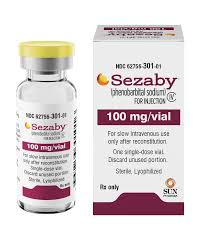
Description of adverse reactions of phenobarbital sodium for injection (Sezaby)
Sodium phenobarbital for injection (Sezaby), a barbiturate, is approved for the treatment of seizures in term and preterm infants. Through its anti-epileptic effect, this drug can effectively control epilepsy symptoms in newborns and bring hope to children and their families. However, like all drugs, SEZABY may also cause a series of adverse reactions during use. This article will elaborate on the possible adverse reactions of SEZABY so that medical professionals and patients’ families can better understand and take appropriate preventive measures.
First of all, respiratory depression or deficiency is one of the adverse reactions that require close attention during the use of SEZABY. It has been clinically observed that some patients develop respiratory abnormalities after receiving SEZABY treatment, which may be manifested as slowed respiratory rate, increased or decreased respiratory depth and other symptoms. Therefore, careful respiratory monitoring is recommended during and after SEZABY treatment to detect and treat potential respiratory problems in a timely manner.
In addition to respiratory depression, SEZABY may cause serious skin reactions. There have been multiple reports of hypersensitivity reactions such as toxic epidermal necrolysis (TEN) and Stevens-Johnson syndrome (SJS) after using SEZABY. These reactions usually manifest as widespread skin erythema, blisters, peeling and other symptoms, and may be life-threatening in severe cases. Therefore, at the first sign of rash, unless the rash is clearly unrelated to the medication, you should stop using SEZABY immediately and seek help from a medical professional.
In addition, drug reactions accompanied by eosinophilia and systemic symptoms (DRESS) are also among the adverse reactions that SEZABY may cause. DRESS is a multi-organ hypersensitivity reaction that may manifest as fever, rash, lymphadenopathy and other symptoms, accompanied by involvement of other organ systems. Because DRESS can be fatal or life-threatening, patients should be evaluated immediately if signs or symptoms occur and discontinuation of medication should be considered. If no other cause can be determined, use of SEZABY should also be discontinued for safety reasons.
At the injection site,SEZABY may cause tissue damage and necrosis. Because this drug is highly alkaline, special care should be taken to avoid perivascular extravasation or intra-arterial injection. If signs of pain, swelling, discoloration or temperature changes in the limbs are observed, the injection of SEZABY should be stopped immediately and appropriate treatment measures should be taken.
Finally,SEZABY may also prolong the QT interval and increase the risk of cardiac arrhythmias. Therefore, SEZABY should be avoided in patients at significant risk for developing torsade de pointes. Also, concomitant use of other drugs should be avoided in patients who may increase the risk of QTc interval prolongation or may increase SEZABY concentrations.
In addition to the serious adverse reactions mentioned above, SEZABY may also cause some more common adverse reactions, such as abnormal breathing, sedation, feeding disorders and hypotension. These reactions are common, occurring in more than 5% of patients overall, but are usually not life-threatening. However, it is still necessary to pay close attention to the patient's symptom changes and take appropriate treatment measures.
In summary,SEZABY, as an effective drug for the treatment of neonatal epilepsy, may also cause a series of adverse reactions during use. Medical professionals and patients' families should be fully aware of these adverse reactions and take appropriate preventive measures and monitoring methods to ensure patient safety.
Reference materials:https://www.drugs.com/pro/sezaby-injection.html
[ 免责声明 ] 本页面内容来自公开渠道(如FDA官网、Drugs官网、原研药厂官网等),仅供持有医疗专业资质的人员用于医学药学研究参考,不构成任何治疗建议或药品推荐。所涉药品可能未在中国大陆获批上市,不适用于中国境内销售和使用。如需治疗,请咨询正规医疗机构。本站不提供药品销售或代购服务。


