
.jpeg)
What are the precautions for Ocrelizumab?
In clinical studies of Ocrelizumab in the treatment of multiple sclerosis MS, warnings and precautions such as infusion reactions, infections, progressive multifocal leukoencephalopathy (PML), reduction of immunoglobulins, malignant tumors, and immune-mediated colitis have emerged. Discontinue and resume at reduced dose upon recovery, or permanently discontinue based on severity.
1. Infusion reactions: Including itching, rash, urticaria, erythema, bronchospasm, throat irritation, oropharyngeal pain, dyspnea, pharyngeal or laryngeal edema, flushing, hypotension, fever, fatigue, headache, dizziness, nausea, tachycardia and allergic reactions. Observe treated patients for infusion reactions during the infusion and for at least one hour after completion of the infusion. Inform patients that infusion reactions may occurwithin 24 hours after infusion. Reducing the risk of and managing infusion reactions
Give premedication (eg, methylprednisolone or equivalent corticosteroids and antihistamines) to reduce the frequency and severity of infusion reactions. The addition of a fever-reducing drug (eg, acetaminophen) may also be considered. Recommendations for the management of infusion reactions depend on the type and severity of the reaction. For life-threatening infusion reactions, immediately and permanently discontinue OCREVUS and administer appropriate supportive care. For less severe infusion reactions, management may involve temporarily discontinuing the infusion, reducing the infusion rate, and/or implementing symptomatic treatment.
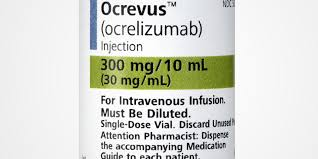
2. Infections: Serious bacterial, viral, parasitic and fungal infections, including life-threatening or fatal infections, have been reported in patients receiving treatment. An increased risk of infections (including serious and fatal bacterial, fungal, and new or reactivated viral infections) was observed during and after patients completed anti-CD20 B-cell depletion therapy. OCREVUS increases the risk of upper respiratory tract infections, lower respiratory tract infections, skin infections, and herpes-related infections.
3. Progressive multifocal leukoencephalopathy (PML): PML is an opportunistic viral infection caused by JC virus (JCV), which usually only occurs in immunocompromised patients and usually leads to death or severe disability. Typical symptoms associated with PML are varied and develop over days to weeks, including progressive weakness on one side of the body or clumsiness in the limbs, visual disturbances, and changes in thinking, memory, and orientation that lead to confusion and personality changes. It is not yet known whether these differences are due to early detection and discontinuation of MS treatment or to differences in the disease among these patients. If PML is diagnosed, treatment should be discontinued.
4. Reduction in immunoglobulins: There is a correlation between reduced immunoglobulin G levels (IgG
5. Malignant tumors: The risk may increase. Patients should follow standard breast cancer screening guidelines.
6. Immune-mediated colitis: Monitor patients for immune-mediated colitis during OCREVUS treatment and promptly evaluate the occurrence of signs and symptoms that may indicate immune-mediated colitis, such as new or persistent diarrhea or other gastrointestinal signs and symptoms.
Reference materials:https://www.ocrevus.com/
[ 免责声明 ] 本页面内容来自公开渠道(如FDA官网、Drugs官网、原研药厂官网等),仅供持有医疗专业资质的人员用于医学药学研究参考,不构成任何治疗建议或药品推荐。所涉药品可能未在中国大陆获批上市,不适用于中国境内销售和使用。如需治疗,请咨询正规医疗机构。本站不提供药品销售或代购服务。


