
.jpeg)
What are the possible side effects of using Umbralisib? How to prevent it in advance?
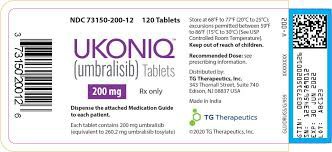
Umbralisib (trade name UKONIQ) is a drug that targets PI3Kδ and CK1 Oral anticancer drugs based on epsilon kinase are mainly used to treat relapsed or refractory marginal zone lymphoma (MZL) and follicular lymphoma (FL). Although it brings new treatment options to patients, a variety of side effects may occur during use. These adverse reactions not only affect the patient's quality of life, but may also endanger life safety. Therefore, understanding the common side effects and preventive measures of Albulisate is crucial for patients to use the drug safely. This article details the types of side effects that may occur with Albrix and provides strategies for their prevention and management.
1. Common side effects and their manifestations
1.Hematological toxicity
Common side effects of Albliside include neutropenia, anemia, and thrombocytopenia. These hematological abnormalities can weaken the patient's immune defenses and increase the risk of infection and bleeding. Especially with neutropenia, patients are prone to serious infections such as pneumonia and sepsis.
2.Digestive system reaction
Diarrhea, nausea, vomiting, and decreased appetite are common gastrointestinal side effects of Albrixate. Diarrhea is more prominent and may be caused by impaired intestinal barrier function and inflammatory response. In severe cases, it can lead to dehydration and electrolyte imbalance.
3.Immune-mediated adverse reactions
Because Erbliside suppresses the immune system, patients may develop immune-related hepatitis, pneumonia, and colitis. Immune hepatitis presents with abnormal liver function, which may be accompanied by jaundice and fatigue. Symptoms of immune pneumonia include coughing and difficulty breathing, while immune colitis presents with abdominal pain and bloody stools.
4.Increased risk of infection
Immunosuppressed states make patients more susceptible to bacterial, viral, and fungal infections. Severe infections can be life-threatening and require a high degree of vigilance.
5.Other side effects
Including fatigue, rash, fever, abnormal liver function, etc.
2. Prevention strategies for side effects
1.Comprehensive evaluation before medication
Before starting treatment with Urbliside, patients should undergo comprehensive hematology and liver function tests, screen for potential infections (such as hepatitis B, tuberculosis, etc.), and evaluate the patient's overall health status and concomitant medications. Avoid use in the presence of severe liver damage or active infection.
2.Regular monitoring and early intervention
During treatment, blood routine, liver function and renal function indicators need to be monitored regularly to detect blood cell reduction and abnormal liver function in a timely manner. If moderate or severe side effects are found, the dose should be adjusted promptly or the medication should be suspended. Supportive treatment, such as blood transfusion, anti-infective treatment, etc., should be given if necessary.
3.Prevent infection
Strengthen patients' awareness of infection prevention, maintain good personal hygiene, and avoid contact with sources of infection. Prophylactic antibiotics or antifungals may be considered in high-risk patients. Signs of infection should be diagnosed and treated early.
4.Manage gastrointestinal side effects
For patients with diarrhea, water and electrolyte supplements should be increased, and antidiarrheal drugs should be used appropriately to avoid dehydration. Nausea and vomiting can be controlled with anti-nausea medications and nutritional intake maintained.
5.Be wary of immune-related adverse reactions
Doctors need to pay close attention to patients' symptoms such as fever, cough, dyspnea, abdominal pain and diarrhea, and promptly check for immune-mediated hepatitis, pneumonia or colitis. When symptoms occur, the drug should be discontinued quickly and treated with immunosuppressive agents such as glucocorticoids.
6.Patient education
Explain possible side effects and warning symptoms in detail to patients and their families, guide them in correct handling and timely reporting of abnormalities, which will help early detection and management.
3. Side Effect Management Experience
1.Dose adjustment
Depending on the patient's specific response, appropriate reduction or suspension of treatment is a key measure to control side effects. Especially when hematological toxicity and immune-related reactions occur, the medication regimen needs to be adjusted flexibly.
2.Supportive treatment
For example, infusion of blood cell products, anti-infective drugs, liver protective agents, etc. can help alleviate side effects and improve patient tolerance.
3.Multidisciplinary cooperation
Hematologists, hepatologists, infectious diseases and other departments collaborate to manage complex side effects and ensure patient safety.
As an innovative targeted anti-cancer drug, Alblisid plays an important role in the treatment of lymphoma, but its side effects cannot be ignored. Common hematological toxicities, gastrointestinal reactions, and immune-related adverse events require high attention. These side effects can be effectively prevented and managed through pre-medication assessment, regular monitoring, rational medication adjustment and multi-faceted supportive treatment. Patients should actively cooperate with medical staff, provide timely feedback on their physical conditions, ensure safe medication use, and maximize the therapeutic effect of Urbliside.
Reference materials:https://www.drugs.com/
[ 免责声明 ] 本页面内容来自公开渠道(如FDA官网、Drugs官网、原研药厂官网等),仅供持有医疗专业资质的人员用于医学药学研究参考,不构成任何治疗建议或药品推荐。所涉药品可能未在中国大陆获批上市,不适用于中国境内销售和使用。如需治疗,请咨询正规医疗机构。本站不提供药品销售或代购服务。


