
.jpeg)
Evaluation of whether Nintedanib can cure pulmonary fibrosis
Nintedanib is a tyrosine kinase inhibitor that is widely used to treat idiopathic pulmonary fibrosis (IPF) and other progressive interstitial lung diseases. It slows down the progression of fibrosis in lung tissue by inhibiting multiple tyrosine kinases that are closely related to the fibrosis process, including PDGFR, FGFR and VEGFR. Although nintedanib has shown significant results in slowing the progression of the disease, current research and clinical data indicate that it is not yet a "cure" for pulmonary fibrosis.
Clinical studies, such as the INPULSIS-I and II trials, have shown that nintedanib can significantly slow the rate of decline in lung function, particularly in the annual rate of decline in forced vital capacity (FVC), with a statistically significant improvement compared to placebo. This effect plays a positive role in improving patients' quality of life and prolonging survival. However, it needs to be clear that nintedanib cannot reverse the lung tissue damage that has already occurred, nor can it completely prevent the progression of the disease, so it is positioned as a "progression-delaying" treatment drug.
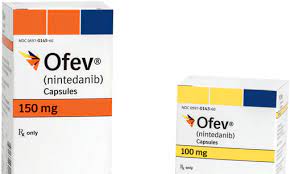
In actual treatment, patients usually need long-term or even lifelong use of nintedanib to maintain its efficacy. The treatment effect is also affected by individual differences, such as basic lung function status, complications, and whether to cooperate with oxygen inhalation, rehabilitation exercises and other factors. Some patients have stable conditions for many years after early use of the drug, but in other patients, the condition may progress even with regular use. Therefore, although nintedanib is currently one of the internationally recognized first-line therapeutic drugs, it is not a "curative" solution.
In summary, nintedanib plays an important role in the treatment of pulmonary fibrosis by “delaying progression”, which is of great significance for improving patients’ quality of life and prolonging disease-free survival. But it cannot reverse established fibrotic lesions and has not been proven to completely cure the disease. Therefore, patients should adhere to long-term standardized medication under the guidance of doctors, and at the same time combine pulmonary rehabilitation, nutritional management and other comprehensive measures to maximize the stabilization of the condition and improve their living conditions.
Reference materials:https://www.drugs.com/
[ 免责声明 ] 本页面内容来自公开渠道(如FDA官网、Drugs官网、原研药厂官网等),仅供持有医疗专业资质的人员用于医学药学研究参考,不构成任何治疗建议或药品推荐。所涉药品可能未在中国大陆获批上市,不适用于中国境内销售和使用。如需治疗,请咨询正规医疗机构。本站不提供药品销售或代购服务。


