
.jpeg)
What are the side effects of Sunvozertinib?
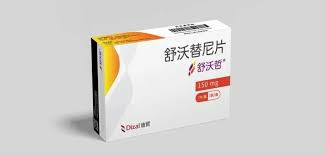
Sunvozertinib is a third-generation EGFRtyrosine kinase inhibitor (EGFR-TKIEGFR-TKI developed by a local Chinese company pan>), mainly used to treat patients with EGFR20 exon insertion mutation (Exon 20ins) non-small cell lung cancer (NSCLC) patients. Since its launch, the drug has played an important role in improving treatment options for people with specific mutations. However, like all targeted drugs, suvotinib may also cause a variety of side effects during treatment. Understanding the types, incidence and countermeasures of these adverse reactions is of great significance to ensuring drug safety and improving patients' quality of life.
1. Common side effects
In clinical research and practical applications, suvotinib has shown a certain degree of tolerability, but many patients still experience some typical adverse reactions during the medication. The most common side effects include rash, diarrhea, loss of appetite, oral mucositis, fatigue, and abnormal liver function. These reactions are mild to moderate in most cases and may improve in some patients after dose adjustment or symptomatic treatment.
Skin rash is one of the most commonly reported adverse reactions and is a common skin toxicity ofEGFR targeted drugs. The main manifestation is papular or acne-like rash on the face, chest and back, which may be accompanied by itching. Although it is not directly life-threatening, it has a greater impact on the patient's appearance and psychology. Diarrhea is related to the inhibition of the EGFR signaling pathway. It is generally mild to moderate. Severe cases require electrolyte supplementation and drug intervention.
2. Side effects that are serious or require close monitoring
In addition to the common adverse reactions mentioned above, some patients may experience more serious side effects, which require strengthened monitoring and timely treatment. Among them, abnormal liver function is a problem worthy of special attention. In clinical studies, some patients have experienced elevated levels of ALT, AST or total bilirubin, especially patients with pre-existing liver damage who need to be more cautious.
Another side effect that needs attention is interstitial lung disease (ILD) or pneumonia-like changes. Although the incidence is low, once it occurs, it may progress rapidly and even be life-threatening. If a patient develops persistent dry cough, dyspnea or chest tightness during medication, the medication should be discontinued immediately and a chest imaging examination should be performed to rule out drug-related pulmonary toxicity.
3. Individual Differences and Risk Groups
The incidence and severity of side effects of suvotinib vary among individuals. Elderly patients, those with reduced liver and kidney function, and patients with other chronic diseases may have poor tolerance and should carefully evaluate the risks of medication under the guidance of a doctor. In addition, long-term drug users need to undergo regular blood, liver and kidney function and imaging tests to detect potential toxicity in a timely manner.
It is worth mentioning that women and those with lower body weight may be more susceptible to adverse reactions related to high drug concentrations due to differences in drug metabolism; and the combined use of other drugs, such as antibiotics, antifungals, immunomodulators, etc., may also interact with suvotinib to enhance toxicity or reduce efficacy, so the drug combination needs to be evaluated.
4. Suggestions for managing side effects
In order to minimize the impact of adverse reactions and improve the tolerance and compliance of suvotinib treatment, it is recommended to intervene in the following aspects:
1.Prevention is the priority, monitoring is the supplement: Before starting medication, a comprehensive assessment should be carried out, including liver and kidney function, basic lung function and skin condition. During the treatment period, it is recommended to conduct biochemical and blood routine examinations every 2~4 weeks to observe whether there are any abnormalities.
2.Early identification and symptomatic treatment: Once side effects occur, report them to the doctor as soon as possible. Mild diarrhea can be treated with montmorillonite powder or loperamide, and rashes can be relieved with anti-allergic drugs or topical corticosteroids. For loss of appetite caused by side effects, the diet structure should be adjusted and nutrition should be supplemented appropriately.
3.Adjust the dose if necessary: Some patients may consider appropriately reducing the dose of suvotinib or administering it intermittently when side effects are severe, but this should be done under the guidance of a professional doctor to avoid affecting the efficacy.
4.Patient education and psychological support: Encourage patients to understand basic information about drugs, establish correct understanding of treatment, and establish psychological expectations for side effects. At the same time, necessary psychological counseling and aesthetic intervention can be provided for patients with appearance changes such as rashes.
Suvotinib, as the third generation of domestically innovative EGFR-TKI, has demonstrated good efficacy and target specificity in the treatment of EGFR Exon 20ins mutant non-small cell lung cancer. However, like all targeted therapeutic drugs, its clinical use is still accompanied by a series of possible side effects. Through a comprehensive understanding of the types of these adverse reactions, regular monitoring and timely treatment, most patients can benefit from the therapeutic effects of this drug in a long-term and stable manner while ensuring safety. For clinicians and patients, rational medication use and risk management are equally critical.
Reference materials:https://www.drugs.com/
[ 免责声明 ] 本页面内容来自公开渠道(如FDA官网、Drugs官网、原研药厂官网等),仅供持有医疗专业资质的人员用于医学药学研究参考,不构成任何治疗建议或药品推荐。所涉药品可能未在中国大陆获批上市,不适用于中国境内销售和使用。如需治疗,请咨询正规医疗机构。本站不提供药品销售或代购服务。


