
.jpeg)
A detailed explanation of the side effects and potential harms of teclistamab
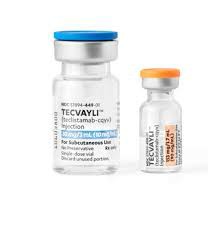
Teclistamab (Teclistamab) is a new type of bispecific T cell-engaging antibody (bispecific antibody ), mainly used to treat hematological malignancies such as multiple myeloma. It works by simultaneously binding to CD3 molecules on patientT cells and BCMA< on the surface of myeloma cells. span> (B cell maturation antigen), effectively activates T cells in the patient's own immune system, targeting and killing cancer cells, thereby achieving better anti-tumor efficacy. However, as an innovative immunomodulatory drug, while teritusumab exerts a powerful therapeutic effect, it also has certain side effects and potential risks. Patients need to pay close attention to it and manage it under the guidance of a doctor when using it. The safety issues of teritusumab will be described in detail below from four aspects: common side effects, serious adverse reactions, potential risks, and clinical response strategies.
1. Common side effects
In clinical trials and practical applications of teritusumab, common side effects mainly include immune system reaction and infection risk. The most typical one is cytokine release syndrome (CRS), which is a systemic inflammatory response caused by the strong activation of T cells and the release of large amounts of cytokines. CRSThe symptoms of CRS are diverse and commonly include fever, chills, fatigue, headache, hypotension, dyspnea, etc. Although most CRS is mild to moderate and can be controlled through drug intervention and supportive care, severe CRS may be life-threatening and requires emergency treatment.
In addition toCRS, patients may also experience injection site reactions, fatigue, fever, headache, nausea, cough and other symptoms. These side effects are mostly mild to moderate and usually appear in the early stages of treatment. As treatment continues, some patients' symptoms will be relieved. Patients should promptly report discomfort to the doctor so that the treatment plan can be adjusted or symptomatic treatment can be promptly performed.
2. Serious adverse reactions
Territuzumab can cause some serious side effects, especially infections and neurological problems. Because drugs kill cancer cells by activating TT cells, immune system function may also be affected to a certain extent, leading to an immunosuppressive state, thereby increasing the risk of bacterial, viral, and fungal infections. Severe infections, such as pneumonia and sepsis, may require hospitalization.
In addition, neurotoxicity is one of the risks that cannot be ignored in teritusumab treatment, manifesting as symptoms such as disturbance of consciousness, epileptic seizures, and neuritis. Although the incidence rate is low, once it occurs, the drug must be stopped immediately and targeted treatment must be carried out to prevent the condition from worsening.
Rare but dangerous side effects also include liver function abnormalities and hematological toxicities such as thrombocytopenia, anemia, and neutropenia, which can increase the risk of bleeding and infection. Regular monitoring of blood indicators and liver and kidney functions is an important guarantee for safe medication use.
3. Potential harm and long-term risks
At present, data on the long-term safety of teritusumab are still limited, and some potential harms are still under study. Sustained activation of the immune system may lead to immune-mediated damage to self-tissues, inducing autoimmune diseases or inflammatory reactions. In addition, long-term immunosuppression may increase the risk of secondary malignancies.
Another potential issue is drug resistance in tumor cells. As the treatment time prolongs, some patients may develop tumor cell escape mechanisms, resulting in weakened or even ineffective drug efficacy, which requires subsequent treatment adjustments and new drug development support.
For special groups, such as immunocompromised patients, elderly patients, or patients with multiple underlying diseases, the risk of side effects of teritusumab may be higher. Careful evaluation is required when using the drug, and the pros and cons must be weighed.
4. Clinical response strategies and patient management
In order to minimize the risk of side effects of teritusumab, a variety of countermeasures are usually taken clinically. Before treatment, the patient's physical condition and comorbidities need to be carefully assessed and an individualized medication plan formulated. During treatment, vital signs, blood indicators and immune function should be closely monitored, with special attention to the early manifestations of CRS and neurological symptoms.
OnceCRSor severe infection occurs, drugs such as glucocorticoids and tocilizumab (IL-6 receptor antagonist) should be used for intervention in a timely manner, and symptomatic and supportive treatment should be given. For patients with neurotoxicity, the medication should be suspended or terminated when necessary and cooperate with the treatment of neurologists.
Patients and their families need to strengthen their awareness of medication safety, conduct regular follow-up visits, report discomfort symptoms in a timely manner, and avoid adjusting medication dosage or discontinuing medication on their own. Educate patients to pay attention to personal hygiene, prevent infections, and arrange their daily routines appropriately to enhance their physical fitness.
Territuzumab, as an innovative immunotherapy drug for multiple myeloma and other malignant tumors, has brought new treatment hope to many patients by virtue of its precise activation of T cells to kill tumors. However, the powerful immunomodulatory effect of drugs is also accompanied by a series of side effects and potential harms such as cytokine release syndrome, infection risk, and neurotoxicity. During the treatment process, patients need to strictly monitor and manage side effects under the guidance of professional doctors, and actively cooperate with treatment to ensure efficacy while ensuring safety. In the future, with the accumulation of clinical experience and the development of neoadjuvant treatments, the safety of teritusumab will be further improved, bringing greater benefits to patients.
Reference materials:https://www.drugs.com/
[ 免责声明 ] 本页面内容来自公开渠道(如FDA官网、Drugs官网、原研药厂官网等),仅供持有医疗专业资质的人员用于医学药学研究参考,不构成任何治疗建议或药品推荐。所涉药品可能未在中国大陆获批上市,不适用于中国境内销售和使用。如需治疗,请咨询正规医疗机构。本站不提供药品销售或代购服务。


