
.jpeg)
Clinical application and effect of Bosutinib in the treatment of ALS
Bosutinib (Bosutinib) is a tyrosine kinase inhibitor (Tyrosine Kinase Inhibitor, TKI), originally mainly used to treat chronic myeloid leukemia (Chronic Myeloid Leukemia, CML), especially patients who are ineffective or resistant to otherTKI treatments. In recent years, with the continuous in-depth research on the mechanisms of neurodegenerative diseases, bosutinib has been found to have potential therapeutic effects on amyotrophic lateral sclerosis (ALS, commonly known as "ALS"), which has attracted great attention in the field of neurological disease research. This article will comprehensively analyze the clinical application prospects and therapeutic effects of bosutinib in ALS from aspects such as its mechanism of action, clinical trial progress, potential efficacy and limitations.
1. Basic mechanism of action of bosutinib
Bosutinib, as a multi-target tyrosine kinase inhibitor, was initially used to inhibit the activity of BCR-ABL fusion protein and prevent the proliferation of leukemia cells. In neurological diseases, researchers have gradually discovered that some tyrosine kinases also play an important role in neuronal degeneration. For example, Src family tyrosine kinases, Fynkinases, and c-Ablkinases have been confirmed to be closely related to apoptosis, mitochondrial dysfunction, and neuroinflammation in ALS and other diseases. Bosutinib also has a certain inhibitory effect on these kinases, thus providing a theoretical basis for its research in the treatment of ALS.
What is particularly noteworthy is that c-Ablkinase activity was found to be up-regulated in the ALS model and is involved in multiple pathways of neuronal death. By inhibiting c-Abl, bosutinib can regulate the apoptosis pathway, reduce oxidative stress, and alleviate neuroinflammation, thereby potentially slowing down the progression of ALS. This targeting mechanism provides a new idea for the treatment of ALS that was difficult to intervene in the past.
2. Clinical research progress of bosutinib inALS
Research on bosutinib forALS treatment has mainly focused on recent years. In 2022, the University of North Carolina and Harvard University jointly launched a I phase clinical trial (NCT04259255) to evaluate the efficacy of bosutinib.Safety, tolerability and potential efficacy in patients with ALS. This study recruited 25 ALS patients, treated them with low-dose bosutinib, and evaluated the treatment effect through multiple dimensions such as neurological function scales, electromyography, and biomarkers.
Preliminary study results show that bosutinib is generally well tolerated in ALS patients, and no serious adverse reactions were found. At the same time, some patients' motor function decline slowed down while taking the drug, and neuroinflammation-related indicators in the cerebrospinal fluid decreased. This result suggests that bosutinib may have certain potential in delaying the course of ALS, especially when the disease is intervened early.
However, it is worth noting that the current research on bosutinib in the treatment of ALS is still in the preliminary stage, with a limited sample size and its efficacy has not yet been verified on a large scale. If subsequent phase II and phase III clinical trials can continue to confirm its efficacy and optimize the dosage regimen, bosutinib is expected to become one of the candidate drugs for the treatment of ALS.
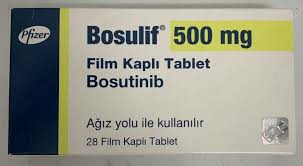
3. Possible clinical significance and advantages of bosutinib
Compared with currently commonly used ALS treatment drugs such as Riluzole (Riluzole) and Edaravone (< span>Edaravone), the therapeutic mechanism of bosutinib focuses more on the core pathological process of neurodegenerative diseases, especially the intervention on the c-Abl signaling pathway. In animal experiments, inhibition of c-Abl can significantly extend the survival time and improve exercise performance of ALS model animals. Bosutinib, as an off-the-shelf drug that has been used to treat hematological tumors, has a known safe dose and clinical experience, which makes it more "reusable" in ALS treatment.
In addition, as a small molecule drug, bosutinib can penetrate the blood-brain barrier and effectively act on the central nervous system. This is one of the key advantages that many potential treatments for ALS cannot achieve. Its oral dosage form also makes it more convenient for patients to use and facilitates long-term treatment.
4. Limitations and future prospects
Although bosutinib is effective inALSPreliminary study results in the treatment are encouraging, but it remains to be understood that the drug has not yet received formal approval for the ALS indication from any regulatory agency. Its efficacy and safety still need to be further verified in larger-scale and longer-term clinical studies. At the same time, the cause of ALS is complex and involves multiple molecular mechanisms. It is difficult for a single drug to cover all pathological links. Therefore, bosutinib may be more suitable as part of a combination treatment rather than a single therapy.
In addition, some patients may have poor tolerance to bosutinib and experience side effects such as gastrointestinal discomfort and abnormal liver function. Therefore, relevant indicators need to be monitored regularly during use to ensure drug safety.
In the future, with the development of precision medicine, drug selection based on individual pathological mechanisms will become a trend. If bosutinib can show specific efficacy in patients with specific ALS subtypes, it may become an important part of personalized treatment.
Bosutinib, as a targeted drug originally used to treat chronic myelogenous leukemia, is gradually being explored for the treatment of neurodegenerative diseases, especially in the field of ALS (ALS). Its inhibitory effect on c-Abl and other kinases provides a new direction for ALS treatment. Preliminary research results show that it has certain neuroprotective potential. Although it is still in the early stages of clinical research, if more high-quality studies in the future can confirm its efficacy, bosutinib is expected to bring new treatment hope to ALS patients. Prior to this, patients must not use this drug on their own and must make all treatment decisions under the guidance of a professional physician.
Reference materials:https://www.drugs.com/
[ 免责声明 ] 本页面内容来自公开渠道(如FDA官网、Drugs官网、原研药厂官网等),仅供持有医疗专业资质的人员用于医学药学研究参考,不构成任何治疗建议或药品推荐。所涉药品可能未在中国大陆获批上市,不适用于中国境内销售和使用。如需治疗,请咨询正规医疗机构。本站不提供药品销售或代购服务。


