
.jpeg)
At what age should children start using Guanfacine?
Guanfacine is commonly used to treat attention deficit hyperactivity disorder (ADHD) and some other diseases, especially for children 6 years old and above. It has a significant therapeutic effect. According to current guidelines for use, guanfacine is indicated for children 6 years of age or older, particularly those with a diagnosis of ADHD.
ADHD is a common neurodevelopmental disorder affecting children and adolescents characterized by inattention, hyperactivity, and difficulties with impulse control. For the treatment of children with ADHD, guanfacine provides a non-stimulant drug option that works by acting on the brain's alpha 2 receptors to help improve symptoms such as concentration and impulse control.
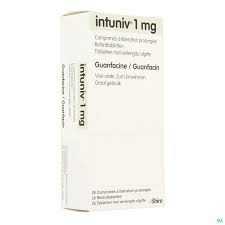
Guanfacine (Intuniv) is a brand name for this drug, which is specifically designed to treat ADHD in children 6 years and older. As a non-stimulant drug, guanfacine has fewer addiction risks and side effects than traditional ADHD treatments such as methamphetamines. Its main function is to improve children's cognitive abilities and behavioral performance by improving the function of the brain's prefrontal cortex, helping them better cope with academic and social challenges.
According to clinical studies, guanfacine has a good effect on ADHD children over 6 years old. It can effectively reduce their symptoms and improve concentration, emotional regulation and impulsive behavior. In addition, guanfacine has been shown to help ADHD patients improve sleep quality, which is a major advantage of this drug in the treatment of ADHD.
It is important to note that although guanfacine is suitable for children 6 years of age and older, a thorough evaluation by a professional physician is still required when starting treatment. During treatment, doctors will determine the most appropriate starting dose based on the child's specific symptoms, weight and other health conditions, and gradually adjust the dose based on the patient's response. Common side effects include drowsiness, changes in appetite, headache, etc. Although these side effects are usually mild, the patient's physical condition still needs to be monitored regularly.
Reference materials:https://go.drugbank.com/drugs/DB01018
[ 免责声明 ] 本页面内容来自公开渠道(如FDA官网、Drugs官网、原研药厂官网等),仅供持有医疗专业资质的人员用于医学药学研究参考,不构成任何治疗建议或药品推荐。所涉药品可能未在中国大陆获批上市,不适用于中国境内销售和使用。如需治疗,请咨询正规医疗机构。本站不提供药品销售或代购服务。


