
.jpeg)
Evaluation of the effectiveness and safety of the anticancer drug Lynparib
Olaparib is a PARP inhibitor that has been approved in many countries and regions for the treatment of specific types of cancer, especially BRCA mutation-related ovarian cancer, breast cancer, and prostate cancer. Lynparza inhibits the DNA repair mechanism and increases DNA damage in cancer cells, thereby preventing the growth and spread of tumor cells. Its unique mechanism of action gives it great potential in the field of anti-cancer. However, with its widespread clinical application, the efficacy and safety of olaparib have also become the focus of the medical community.
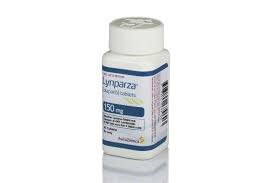
First of all, the effectiveness of olaparib has been verified in multiple clinical trials. Studies have shown that olaparib performs particularly well in the treatment of BRCA mutation-related ovarian cancer. Many patients have significantly reduced tumors and significantly prolonged progression-free survival (PFS) after receiving olaparib treatment. For other BRCA mutation-positive breast and prostate cancer patients, olaparib has also shown good therapeutic effects, especially when chemotherapy is ineffective, providing a new treatment option.
In clinical use, the efficacy of olaparib is demonstrated in many aspects. First, it can effectively delay disease progression and reduce the risk of cancer recurrence, especially when used in combination with chemotherapy or other targeted therapies. Secondly, the oral administration method of olaparib provides patients with greater convenience. Compared with traditional injection treatment, patients' treatment compliance has been improved.
However, despite the positive results of olaparib in terms of efficacy, its safety issues cannot be ignored. Similar to other anti-cancer drugs, side effects of olaparib also occur from time to time during clinical use. Common side effects include nausea, fatigue, anemia, decreased appetite, and gastrointestinal discomfort. Some patients may experience more serious adverse reactions, such as bone marrow suppression, leukopenia, abnormal liver function, etc. Especially in the case of long-term use, the patient's immune system may be greatly affected.
Reference materials:https://www.lynparza.com/
[ 免责声明 ] 本页面内容来自公开渠道(如FDA官网、Drugs官网、原研药厂官网等),仅供持有医疗专业资质的人员用于医学药学研究参考,不构成任何治疗建议或药品推荐。所涉药品可能未在中国大陆获批上市,不适用于中国境内销售和使用。如需治疗,请咨询正规医疗机构。本站不提供药品销售或代购服务。


