
.jpeg)
What side effects may occur with Vimseltinib and how to prevent it in advance
Vimseltinib is a new type of targeted therapy drug, mainly used to treat certain types of tumors, especially showing good therapeutic effects in gene-driven cancers. As a targeted drug, vimsatinib prevents the growth and spread of tumor cells by inhibiting specific signaling pathways. Although the efficacy is significant, certain side effects may still occur during use, affecting the patient's treatment experience and quality of life. Therefore, understanding the possible side effects of vimsetinib and taking preventive measures in advance is crucial for patients to successfully complete treatment.
The most common side effects of vimsetinib include rash, fatigue, gastrointestinal reactions (such as nausea, diarrhea, and vomiting), liver function abnormalities, and hematological changes (such as thrombocytopenia and leukopenia). The rash usually manifests as skin erythema, itching, and in severe cases may develop into skin peeling or blisters. The key to preventing rashes is to keep your skin clean and moisturized, and avoid using harsh skin care products or prolonged exposure to the sun. Patients should be careful to wear loose clothing and avoid scratching the affected area. Your doctor may recommend low-dose topical corticosteroids and antihistamines beforehand to reduce inflammation and itching.
Fatigue is one of the common and bothersome side effects for patients with vimsetinib. Fatigue may lead to a decrease in the patient's ability to perform daily activities and an increase in mood swings. To prevent fatigue, patients should maintain a regular schedule and ensure adequate sleep quality. Moderate physical activity, such as walking or yoga, can help improve physical strength and relieve fatigue. At the same time, a balanced diet, adequate hydration, and good stress management also have a positive effect on improving the overall physical condition. During treatment, patients should regularly monitor blood routine and promptly detect and deal with anemia and other factors that may aggravate fatigue.
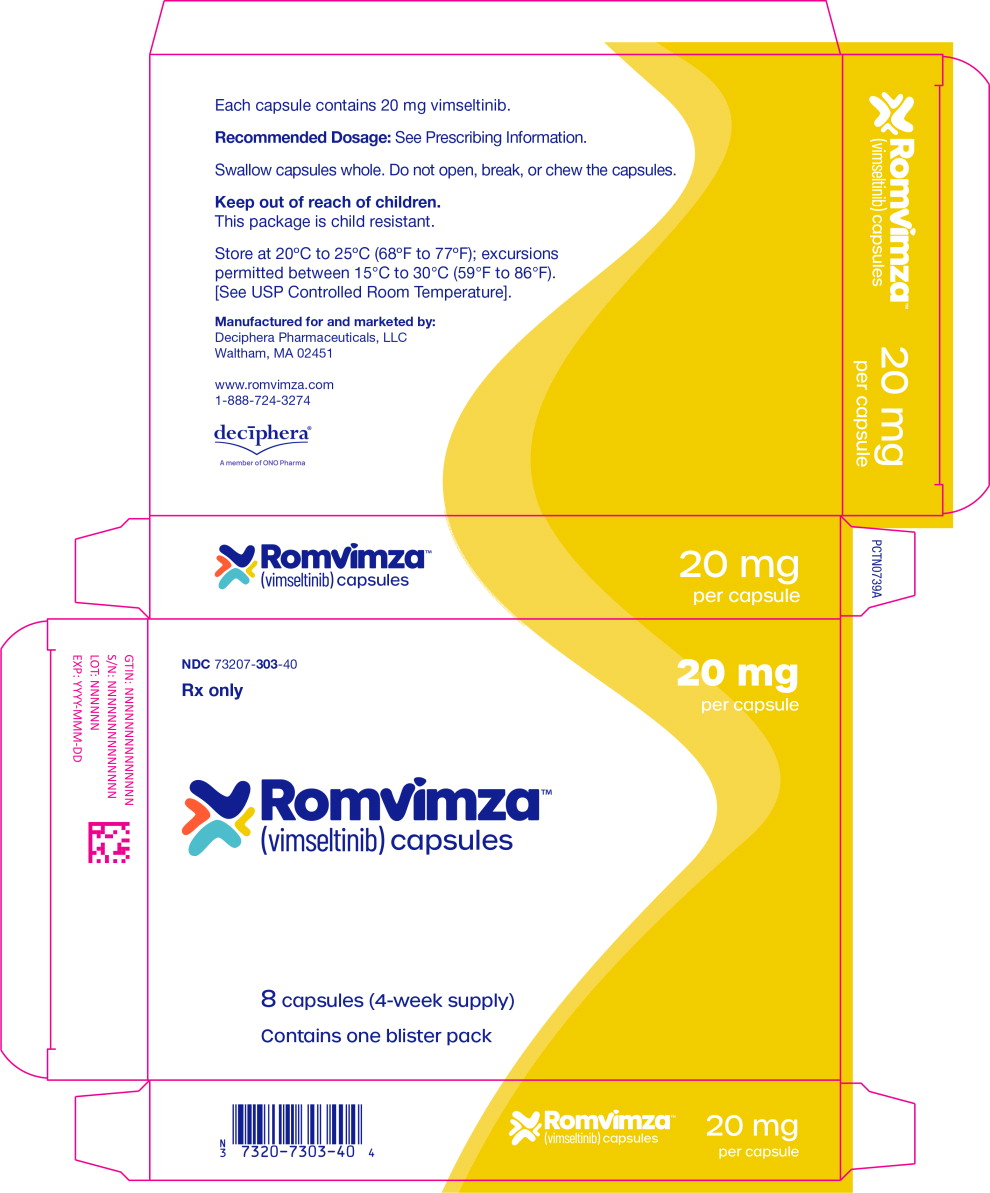
Gastrointestinal reactions such as nausea, vomiting and diarrhea are also common, affecting patients' appetite and nutritional intake. Measures to prevent these symptoms include eating in smaller portions, choosing foods that are easier to digest, and avoiding greasy and spicy foods. Doctors may prescribe anti-nausea medications, which patients should take on time to avoid worsening of symptoms. When diarrhea occurs, you should pay attention to replenishing water and electrolytes, and use antidiarrheal drugs if necessary, but you must follow the doctor's advice. Vimsetinib may cause some burden on the liver, so regular liver function tests are particularly important. If abnormal liver function indicators are found, the doctor may adjust the dosage or suspend the medication.
In addition, vimsetinib may cause hematological abnormalities, such as thrombocytopenia and leukopenia, increasing the risk of infection and bleeding. During the treatment period, patients should regularly check blood routine, pay attention to whether bleeding spots or ecchymoses appear on the skin or mucous membranes, and report abnormal symptoms in a timely manner. In terms of infection prevention, patients should maintain good personal hygiene, avoid going to crowded places, and prevent colds and other infections. When symptoms such as fever and cough occur, you should seek medical treatment immediately.
Finally, patients should communicate with their doctor in detail about their past medical history and medication history before taking medication, and inform them of all the medications they are taking to avoid adverse drug interactions. During the treatment period, patients should follow the doctor's instructions, have regular follow-up visits, and provide timely feedback on their physical condition. The doctor can adjust the treatment plan according to the specific situation. Psychological support is equally important. Patients should maintain a positive attitude and seek psychological counseling when necessary to help relieve the pressure caused by treatment.
In summary, although vimsetinib brings significant therapeutic effects, it will inevitably have some side effects. Through scientific prevention and management measures, patients can effectively reduce the discomfort caused by side effects and ensure the continuity and effectiveness of treatment. Close cooperation between doctors and patients, good living habits and timely medical intervention are the keys to ensuring patients' safe medication use and improving their quality of life. Patients should maintain a high degree of attention to their own health, actively participate in the treatment process, and strive to obtain the best treatment results.
Reference materials:https://www.drugs.com/
[ 免责声明 ] 本页面内容来自公开渠道(如FDA官网、Drugs官网、原研药厂官网等),仅供持有医疗专业资质的人员用于医学药学研究参考,不构成任何治疗建议或药品推荐。所涉药品可能未在中国大陆获批上市,不适用于中国境内销售和使用。如需治疗,请咨询正规医疗机构。本站不提供药品销售或代购服务。


