
.jpeg)
Nilotinib belongs to the first generation of leukemia targeted drugs
Nilotinib (Nilotinib) is a second-generation tyrosine kinase inhibitor (TKI), mainly used to treat chronic myelogenous leukemia (CML). As a targeted drug developed after the first-generation drug imatinib (Imatinib), nilotinib aims to address the treatment needs of patients who are resistant or intolerant to imatinib. Compared with the first-generation drugs, nilotinib has higher affinity and selectivity in inhibiting the activity of BCR-ABL fusion protein, thereby more effectively blocking the signal transduction of tumor cells and exerting anti-leukemia effects.
The clinical application of nilotinib is mainly targeted at patients with newly diagnosed chronic phaseCML and patients with poor response to imatinib treatment. Studies have shown that nilotinib can significantly improve patients' molecular response rate and shorten the time to achieve response. At the same time, it shows a strong effect in preventing disease progression and helps prolong the progression-free survival and overall survival of patients. Its use brings more treatment hope to patients with chronic myelogenous leukemia.
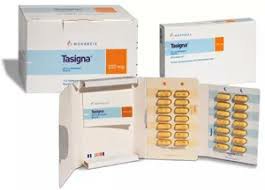
In terms of safety, nilotinib is generally well tolerated, but some potential side effects still need to be paid attention to, such as cardiovascular events, pancreatitis, and abnormal liver function. Patients should regularly monitor electrocardiogram and liver and kidney function indicators during use, strictly follow the doctor's instructions to take medication, and report discomfort symptoms in a timely manner. Doctors will adjust the medication plan according to the patient's specific conditions to ensure a balance between therapeutic effect and safety.
Overall, nilotinib, as a second-generation leukemia-targeted drug, represents an important advancement in the field of leukemia treatment. It not only provides an effective alternative for imatinib-resistant patients, but also improves the overall treatment effect and patient prognosis. With the accumulation of clinical experience and improvement of medication management, nilotinib will play a more critical role in the treatment of chronic myelogenous leukemia.
Reference materials:https://www.drugs.com/
[ 免责声明 ] 本页面内容来自公开渠道(如FDA官网、Drugs官网、原研药厂官网等),仅供持有医疗专业资质的人员用于医学药学研究参考,不构成任何治疗建议或药品推荐。所涉药品可能未在中国大陆获批上市,不适用于中国境内销售和使用。如需治疗,请咨询正规医疗机构。本站不提供药品销售或代购服务。


