
.jpeg)
An introduction to the risks and preventive measures of thrombosis caused by baricitinib
Baricitinib (also known as Baricitinib) is a Janus kinase (JAK) inhibitor, mainly used to treat diseases such as rheumatoid arthritis, severe alopecia, and inflammatory reactions related to the new coronavirus. Despite its clear efficacy, baricitinib has also been found to increase the risk of thrombotic events in clinical applications, especially in patients with high-risk factors. Therefore, special attention should be paid to safety issues related to blood clots before and after using this drug.
Although the risk of thrombosis does not occur in all patients, research and clinical data show that some patients taking baricitinib, especially those with cardiovascular disease, obesity, long-term bed rest, or a history of thrombosis, are more likely to develop venous thromboembolism (such as deep vein thrombosis and pulmonary embolism). In addition, long-term high-dose use of baricitinib may also increase the activity of coagulation factors, further exacerbating the risk.
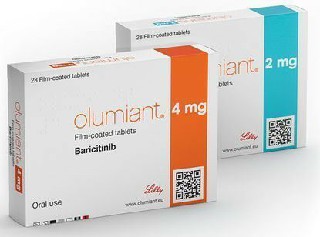
To reduce the incidence of thrombosis, patients should undergo a comprehensive evaluation before using baricitinib, especially whether there is a history of previous thrombosis, cardiovascular problems, or other thrombotic factors. If the patient is in a high-risk group, doctors may choose other safer treatments or increase the frequency of blood clot monitoring during treatment. At the same time, regular inspection of indicators such as D-dimer and coagulation function can help detect abnormalities early.
In terms of daily prevention, patients should maintain moderate exercise, avoid sitting and lying down for long periods of time, control their weight, and pay attention to hydration. At the same time, if you have sudden chest pain, leg swelling, shortness of breath and other thrombosis-related symptoms, you should stop taking the medicine immediately and seek medical treatment. Overall, although baricitinib has a certain risk of thrombosis, as long as it is properly evaluated, standardized, and monitored, most patients can still use the drug safely to obtain clinical benefits.
Reference materials:https://www.drugs.com/
[ 免责声明 ] 本页面内容来自公开渠道(如FDA官网、Drugs官网、原研药厂官网等),仅供持有医疗专业资质的人员用于医学药学研究参考,不构成任何治疗建议或药品推荐。所涉药品可能未在中国大陆获批上市,不适用于中国境内销售和使用。如需治疗,请咨询正规医疗机构。本站不提供药品销售或代购服务。


