
.jpeg)
Reasons why pirfenidone is not reimbursed by medical insurance and policy interpretation
Pirfenidone (Pirfenidone), as an anti-fibrotic drug used to treat idiopathic pulmonary fibrosis (IPF), has gradually attracted the attention of domestic clinical and medical insurance policies in recent years. Although its domestic drug "Isri" has been included in the National Medical Insurance Catalog as a Category B drug and is theoretically eligible for medical insurance reimbursement, during the actual implementation process, many patients still reported that the drug was "nominally included in medical insurance but actually difficult to reimburse." The reasons are mainly concentrated in several aspects.
First of all, Class B drugs in the medical insurance catalog usually involve proportional reimbursement and limited indication reimbursement. Patients must be diagnosed with IPF by a specialist at a designated medical institution and entered into the medical insurance disease catalog before the reimbursement mechanism can be activated. In the absence of an official IPF diagnosis or a prescription issued by a non-tertiary hospital, it is easy to be found to be ineligible.
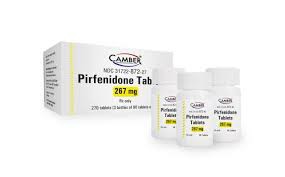
Secondly, there are differences in the refinement of regional medical insurance policies. In some places, a complete reimbursement path for fibrosis diseases has not been established. Especially in primary hospitals, the use rate of this drug is not high and the medical insurance settlement process is not smooth.
In addition, due to the long treatment cycle of pirfenidone and the relatively high drug price, some regions have set thresholds for its use and reimbursement due to pressure to control costs, such as limiting the number of single reimbursements, limiting the maximum annual payment, etc., further increasing the burden on patients.
As the national medical insurance negotiation mechanism improves year by year, the reimbursement scope of pirfenidone is expected to be further relaxed in the future, especially by increasing the reimbursement authority of grassroots designated hospitals and improving the disease identification rate, so as to improve the actual accessibility of medical insurance coverage. Therefore, it is recommended that patients actively consult the local medical insurance bureau or hospital medical insurance department before taking medication to confirm whether they meet the reimbursement conditions, and prepare relevant medical records and imaging data to avoid being denied reimbursement due to incomplete information or wrong paths.
Reference materials:https://www.esbriet.com/
[ 免责声明 ] 本页面内容来自公开渠道(如FDA官网、Drugs官网、原研药厂官网等),仅供持有医疗专业资质的人员用于医学药学研究参考,不构成任何治疗建议或药品推荐。所涉药品可能未在中国大陆获批上市,不适用于中国境内销售和使用。如需治疗,请咨询正规医疗机构。本站不提供药品销售或代购服务。


