
.jpeg)
Evaluation of the effectiveness of bevacizumab in the treatment of lung cancer
In the treatment of non-small cell lung cancer (NSCLC), Bevacizumab has become a standard anti-angiogenesis targeted drug, especially for patients with non-squamous cell carcinoma. It blocks the formation of new blood vessels in tumors by inhibiting the VEGF pathway, thereby limiting the nutrient supply and proliferation potential of cancer cells. Clinical studies have shown that bevacizumab combined with chemotherapy (such as pemetrexed + cisplatin or carboplatin) significantly improves the progression-free survival (PFS) and overall survival (OS) of patients, especially in people with negative driver genes such as EGFR and ALK. The effect is more prominent.
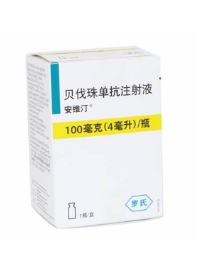
In terms of efficacy evaluation, tumor shrinkage and stability rates are mainly judged based on imaging (such asCT or PET-CT). RECIST (Response Evaluation Criteria in Solid Tumors) criteria are often used, including complete response, partial response, disease stability, and progression. In most NSCLC patients, significant tumor volume reduction or lesion stabilization can be observed within the first two courses of bevacizumab combination therapy, and the ability to continuously control tumor growth is better than traditional chemotherapy. For some patients, after achieving disease control, they can be switched to bevacizumab single-agent maintenance therapy to extend the duration of the efficacy.
In addition, the efficacy of bevacizumab is also affected by tumor microenvironment characteristics,VEGF expression levels and individual genotypes, so not all patients will have a good response. Recent studies have also explored the synergistic model of bevacizumab combined with immunotherapy (such as PD-1/PD-L1 antibodies), and preliminary data show that it further improves efficacy and improves long-term survival data in certain populations.
In general, bevacizumab has stable clinical performance in the treatment of lung cancer, and is especially suitable for patients with non-squamous non-small cell lung cancer with extensive disease and no chance of resection. Although it cannot completely cure the disease, it can significantly delay the progression of the disease and improve the quality of life. Especially under standardized evaluation and long-term monitoring mechanisms, it has become an important part of the comprehensive treatment strategy for NSCLC.
Reference materials:https://www.drugs.com/bevacizumab.html
[ 免责声明 ] 本页面内容来自公开渠道(如FDA官网、Drugs官网、原研药厂官网等),仅供持有医疗专业资质的人员用于医学药学研究参考,不构成任何治疗建议或药品推荐。所涉药品可能未在中国大陆获批上市,不适用于中国境内销售和使用。如需治疗,请咨询正规医疗机构。本站不提供药品销售或代购服务。


